home floor design and decoration, Your floor is the one design element that touches every single part of your home yet it’s often the last thing homeowners think about. That’s a mistake. The right home floor design can make a small room feel twice as big, tie together a mismatched color scheme, or instantly modernize a house that hasn’t been updated in decades. The wrong one can make even the most beautifully decorated room feel flat and unfinished.
75+ Home Floor Design Ideas (2025–2026): Stylish, Budget-Friendly Flooring Trends for Every Room
In this guide, we’re breaking down everything you need to know about home floor design and decoration for 2025–2026 from the flooring materials trending right now, to room-by-room recommendations, real cost comparisons, color psychology, maintenance tips, and the mistakes we see homeowners make again and again. Whether you’re planning a full renovation or just want to refresh one room without a huge budget, you’ll find practical, actionable ideas here that go far beyond a generic trends list.
Table of Contents
- #why-flooring-mattersWhy Floor Design Matters More Than You Think
- Top Home Floor Design Trends for 2025–2026
- Complete Flooring Material Guide: Pros, Cons & Best Uses
- Room-by-Room Floor Design Ideas
- Floor Patterns & Layout Ideas
- Floor Color Guide: Choosing the Right Shade for Every Space
- Flooring Cost Comparison Table (2026)
- Budget-Friendly Floor Decoration Ideas
- Eco-Friendly & Sustainable Flooring Options
- Floor Maintenance & Longevity Tips
- Common Floor Design Mistakes to Avoid
- Best Practices for Choosing Home Flooring
- Key Takeaways
- Frequently Asked Questions
- Conclusion
Why Floor Design Matters More Than You Think
Interior designers often call flooring the “fifth wall” and in 2026, many are going a step further and calling it the “sixth wall” or the true foundation of a room’s personality. Unlike paint or furniture, flooring is a long-term investment that typically stays in place for 10–25 years depending on the material. That means your choice affects resale value, daily comfort, cleaning routines, and the overall mood of your home for a very long time.
A well-chosen floor design does three things at once:
- Sets the visual foundation every wall color, rug, and piece of furniture is chosen to complement (or clash with) your floor.
- Affects perceived space lighter floors and continuous flooring between rooms make small homes feel larger and more open.
- Impacts daily life durability, slip resistance, noise levels, and ease of cleaning all come down to the material you pick.
Floor Design vs. Interior Decoration: What’s the Difference?
Floor decoration refers to the decorative layer on top rugs, runners, floor patterns, and finishes. Floor design refers to the bigger picture: material selection, layout, color, and how it interacts with the architecture of your home. A great home needs both working together, which is exactly what this guide covers.
Top Home Floor Design Trends for 2025–2026
Based on current design-industry reporting and what’s actually being installed in homes across the USA, UK, Canada, Australia, and Europe, here are the flooring trends dominating 2025–2026:
1. Warm, Earthy Tones Are Replacing Cool Grays
After nearly a decade of cool gray flooring, homeowners are shifting toward honey, caramel, chestnut, and natural oak tones. These warmer shades create a cozier, more welcoming atmosphere and pair beautifully with the sage greens, terracottas, and creamy whites currently trending in wall colors and furniture.
2. Matte and Low-Sheen Finishes
High-gloss “piano finish” floors are fading in popularity. Matte, satin, and wire-brushed finishes are winning because they hide dust, scratches, and pet hair far better than glossy surfaces a practical win for busy households.
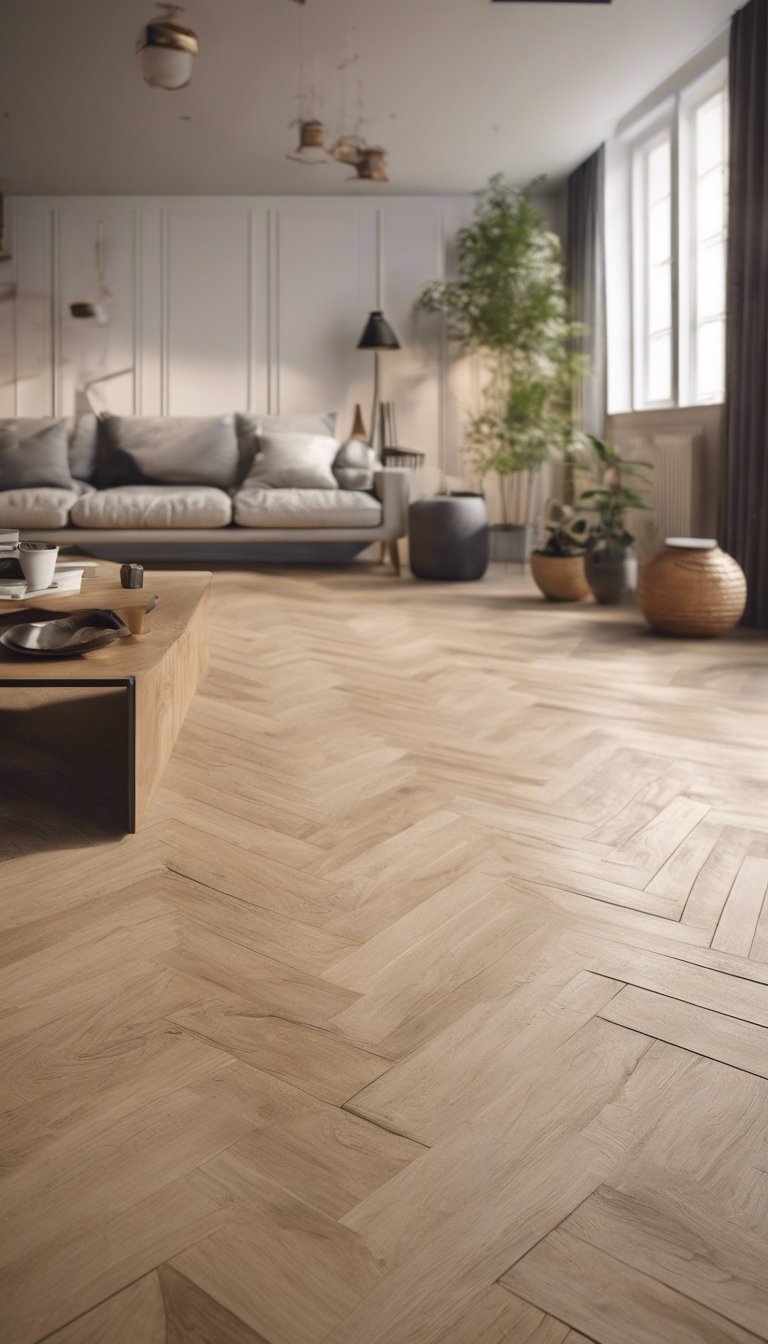
3. Herringbone, Chevron & Geometric Patterns
Patterned flooring is having a major resurgence. Herringbone and chevron layouts add architectural depth and a European-inspired character, while geometric tile patterns bring personality to kitchens, hallways, and bathrooms.
4. Large-Format Tiles
Bigger tiles mean fewer grout lines, a more seamless look, and easier cleaning especially popular in bathrooms and open-concept kitchens.
5. Wide-Plank Hardwood and Engineered Wood
Wider planks create a sense of openness and let natural wood grain stand out. Engineered hardwood remains popular because it offers the hardwood look with better moisture resistance and a lower price point.
4. Sustainable and Natural Materials
Cork, bamboo, reclaimed hardwood, and recycled-content carpets are moving from niche to mainstream as more homeowners prioritize eco-friendly renovation choices.
5. Durable, No-Fuss Luxury Vinyl Plank (LVP)
LVP continues to dominate for busy households thanks to realistic wood-look textures, full waterproofing, and low maintenance ideal for kitchens, mudrooms, and rental properties.
6. Statement Floors as a Design Focal Point
Instead of treating flooring as a neutral background, more homeowners are using bold patterns, checkerboard layouts, and contrasting tones to make the floor itself a design statement not just a surface underfoot.
Complete Flooring Material Guide: Pros, Cons & Best Uses
Choosing the right material is the single most important flooring decision you’ll make. Here’s an honest breakdown of the most popular home flooring options in 2026.
Hardwood Flooring
Pros: Timeless, adds real estate value, can be refinished multiple times, ages beautifully.
Cons: Expensive, sensitive to moisture and humidity, can scratch, needs periodic refinishing.
Best for: Living rooms, dining rooms, bedrooms, home offices.
Engineered Hardwood
Pros: Real wood top layer with better moisture stability, more affordable than solid hardwood, wide style range.
Cons: Can only be refinished once or twice, lower-quality versions have a thin wear layer.
Best for: Living areas, bedrooms, homes in humid climates.
Luxury Vinyl Plank (LVP) / Luxury Vinyl Tile (LVT)
Pros: 100% waterproof, budget-friendly, extremely durable, realistic wood or stone look, easy DIY installation.
Cons: Lower resale value impact than real hardwood, can dent under heavy furniture.
Best for: Kitchens, bathrooms, basements, rental properties, homes with pets and kids.
Laminate Flooring
Pros: Very affordable, scratch-resistant, easy to install, wide design variety.
Cons: Not fully waterproof (unless specified), can feel less premium underfoot, harder to repair.
Best for: Bedrooms, hallways, living rooms on a budget.
Porcelain & Ceramic Tile
Pros: Extremely durable, water-resistant, huge design flexibility, great for underfloor heating.
Cons: Cold and hard underfoot without heating, grout requires maintenance, can be slippery when wet.
Best for: Kitchens, bathrooms, entryways, mudrooms.
Natural Stone (Marble, Travertine, Slate)
Pros: Luxurious, unique natural veining, adds significant home value.
Cons: Expensive, requires sealing, can be cold and slippery.
Best for: Entryways, bathrooms, formal living spaces.
Carpet
Pros: Soft, warm, sound-absorbing, budget flexibility across a wide price range.
Cons: Traps allergens, stains easily, shorter lifespan than hard flooring.
Best for: Bedrooms, basements, staircases.
Bamboo & Cork Flooring
Pros: Eco-friendly, renewable, cork adds natural sound and heat insulation.
Cons: Can dent, moisture sensitivity varies by product quality.
Best for: Bedrooms, home offices, eco-conscious renovations.
Epoxy & Terrazzo
Pros: Seamless, extremely durable, modern aesthetic, easy to clean.
Cons: Higher installation cost, can feel cold, limited DIY potential.
Best for: Garages, basements, modern kitchens, statement entryways.
Room-by-Room Floor Design Ideas
Living Room Flooring Ideas
The living room is where flooring gets to shine as a design feature. Wide-plank engineered hardwood in warm honey or golden oak tones is the leading choice for 2026, paired with a large area rug to define seating zones. For a bolder look, herringbone hardwood or large-format porcelain tile with subtle veining creates a gallery-like backdrop. In open-concept homes, keeping the same flooring flowing from the living room into the kitchen and dining area creates a seamless, more spacious feel.
Bedroom Flooring Ideas
Comfort underfoot matters most here. Warm-toned engineered hardwood or laminate paired with a plush area rug on each side of the bed gives you the best of both worlds style and coziness. Carpet is still a popular choice for primary bedrooms and kids’ rooms because of its sound-dampening and insulating properties, especially with today’s stain-resistant fiber technology.
Kitchen Floor Design
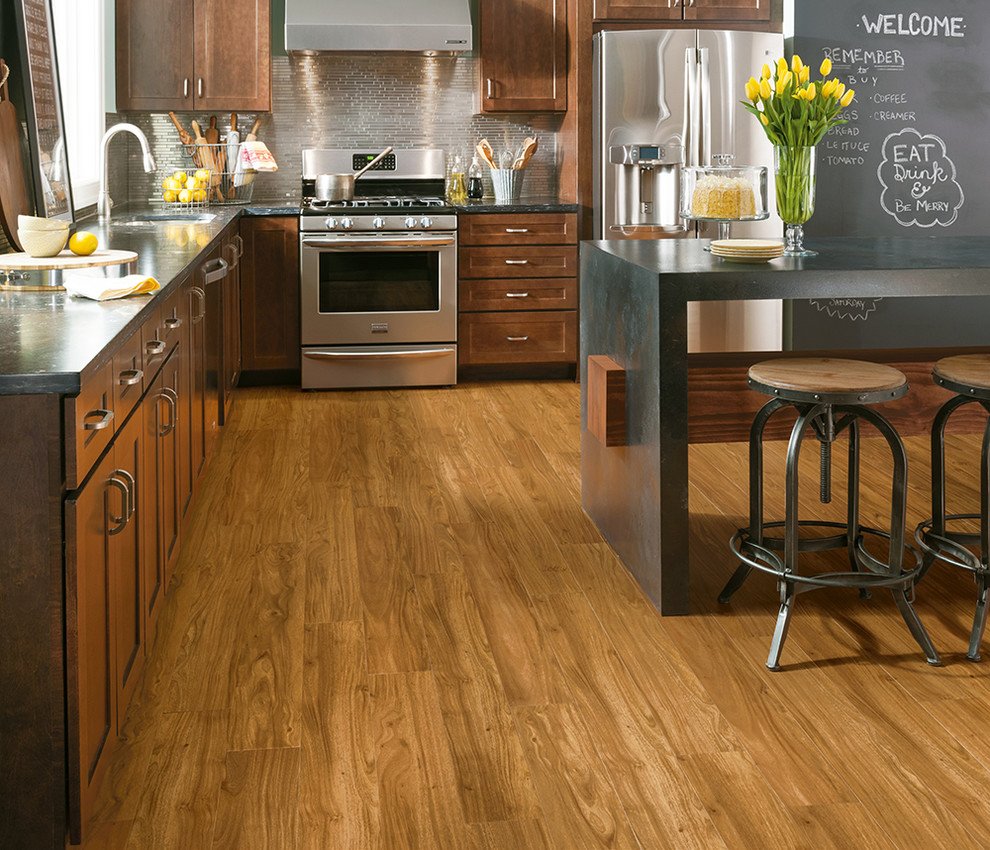
Kitchens need durability first. Luxury vinyl plank and porcelain tile dominate here because they’re fully waterproof and handle spills, dropped pots, and daily foot traffic without issue. Large-format tiles in warm taupe or off-white tones minimize grout lines for easier cleaning. Patterned cement-look tiles are a popular way to add personality to a kitchen floor without overwhelming the cabinetry and countertops.
Bathroom Flooring Ideas
Water resistance and slip resistance are non-negotiable. Porcelain tile, natural stone-look tile, and waterproof LVP are the top three options. In 2026, bathroom flooring trends are shifting toward larger, seamless tiles with fewer grout lines and a soft, stone-inspired texture rather than glossy finishes.
Hallway & Entryway Flooring
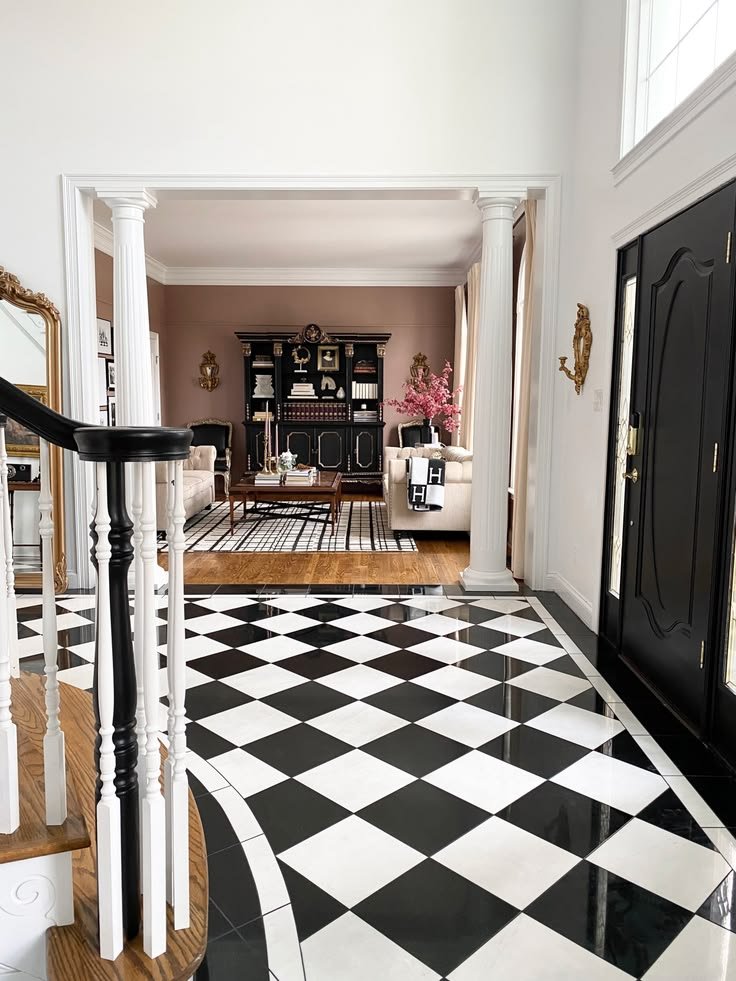
High-traffic zones need scratch-resistant, easy-to-clean materials. Checkerboard tile classic black-and-white or a warmer modern pairing remains one of the most timeless entryway statements. Durable LVP or porcelain tile also work well here, especially with a built-in shoe mat area to reduce wear.
Basement Flooring
Moisture control is the priority. Waterproof LVP or engineered hardwood designed for below-grade installation are the safest choices. Epoxy flooring is a popular modern option for finished basements used as home gyms or entertainment rooms.
Home Office Flooring
With more homes including a dedicated office space, warm laminate or cork flooring is trending cork in particular adds sound absorption, which is useful for video calls, plus a comfortable, slightly cushioned feel for long workdays.
Floor Patterns & Layout Ideas
How flooring is arranged can influence a room’s mood just as much as the material or color. Here are the most popular layout options right now:
- Herringbone a zigzag pattern that adds rhythm and craftsmanship; ideal for entryways and living rooms.
- Chevron clean, directional lines for a tailored, formal look; works well in dining rooms.
- Checkerboard a timeless black-and-white or two-tone pattern perfect for hallways and kitchens.
- Straight/Plank Layout the classic, budget-friendly choice that suits almost any room.
- Diagonal Layout installing planks or tiles at a 45-degree angle to make a small room appear larger.
- Basketweave & Geometric Tile decorative patterns that work as a statement feature in bathrooms and kitchens.
Floor Color Guide: Choosing the Right Shade for Every Space
Floor color has a bigger psychological impact than most homeowners realize:
- Light natural oak or whitewashed floors brighten small rooms and support a Scandinavian or minimalist look.
- Honey, caramel, and warm oak tones create a cozy, grounded feeling; the leading trend for 2025–2026.
- Dark walnut or espresso floors add drama and formality; best in larger rooms with plenty of natural light.
- Gray-toned floors still work well in modern, minimalist interiors but are gradually being replaced by warmer neutrals.
- Bold contrast pairings dark floors with light walls (or white oak with matte black accents) for a modern, editorial look.
Quick rule of thumb: lighter floors visually expand small spaces, while darker floors ground large, open rooms and hide daily wear more effectively.
Flooring Cost Comparison Table (2026)
| Flooring Type | Average Cost (Material + Installation, per sq ft, USD) | Durability | Water Resistance | Best For |
|---|---|---|---|---|
| Laminate | $3 – $8 | Moderate | Low–Moderate | Bedrooms, living rooms |
| Luxury Vinyl Plank (LVP) | $4 – $9 | High | Excellent (waterproof) | Kitchens, bathrooms, basements |
| Engineered Hardwood | $6 – $14 | High | Moderate | Living areas, bedrooms |
| Solid Hardwood | $8 – $20+ | Very High (refinishable) | Low | Living rooms, dining rooms |
| Porcelain/Ceramic Tile | $7 – $16 | Very High | Excellent | Kitchens, bathrooms, entryways |
| Natural Stone | $12 – $30+ | Very High | Moderate (needs sealing) | Entryways, bathrooms |
| Carpet | $3 – $11 | Low–Moderate | Low | Bedrooms, basements |
| Bamboo/Cork | $5 – $12 | Moderate | Moderate | Bedrooms, offices |
Prices are general 2026 industry estimates in USD and vary by region, brand, and installation complexity. Always request local quotes before budgeting a renovation.
Budget-Friendly Floor Decoration Ideas
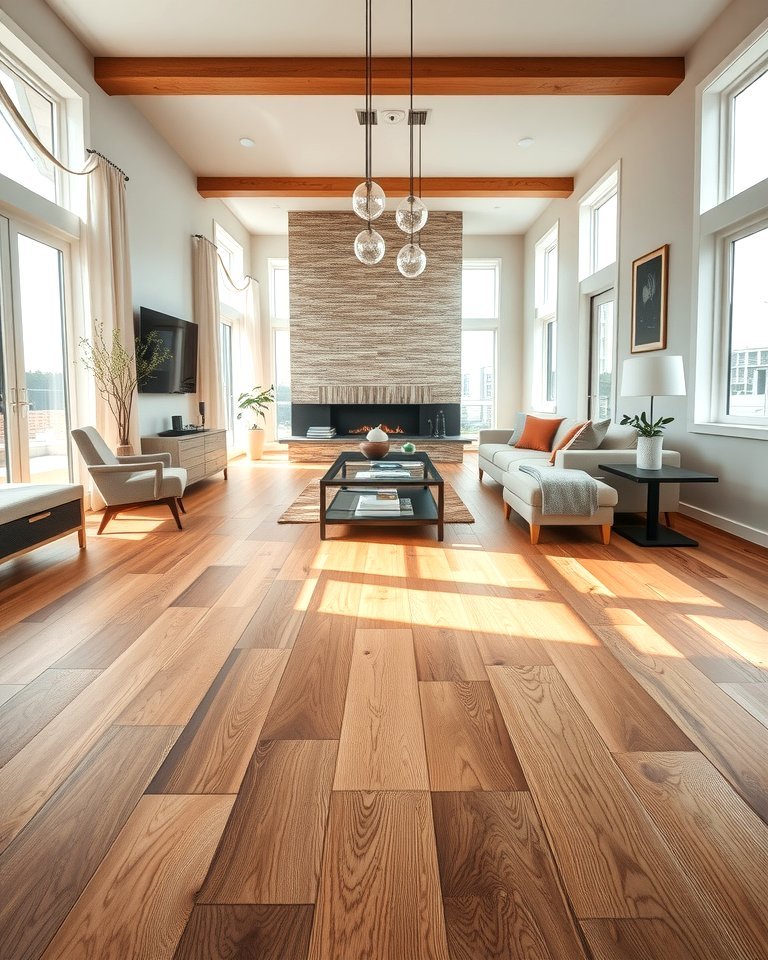
You don’t need a full renovation budget to upgrade your floors. Try these budget-friendly approaches:
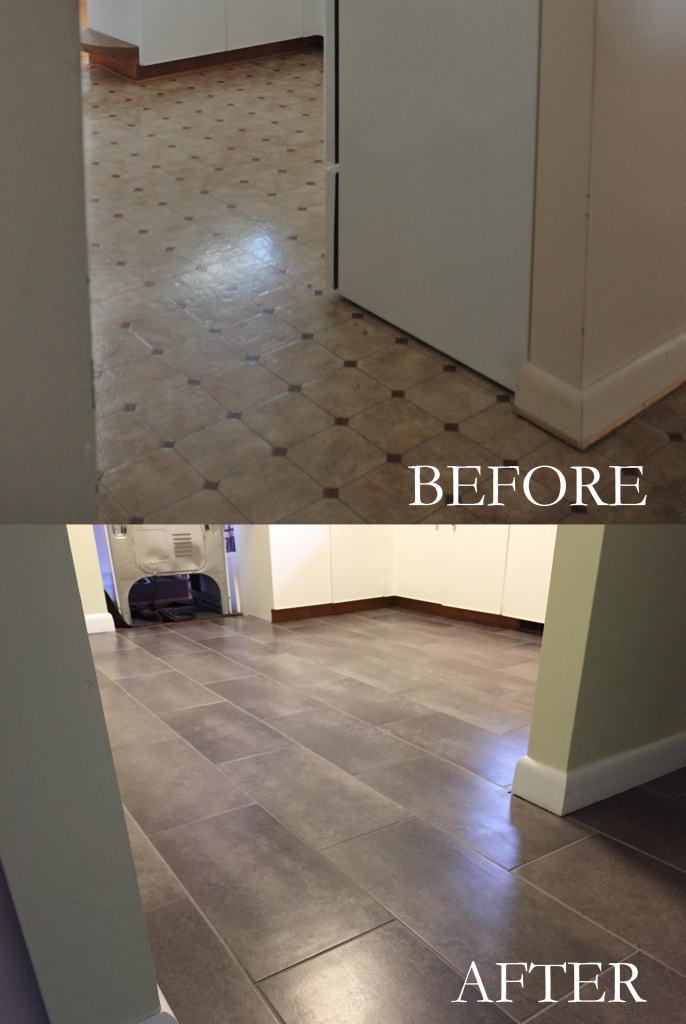
- Peel-and-stick vinyl tiles a renter-friendly way to transform a kitchen or bathroom floor in a weekend.
- Layered area rugs instantly refresh a room’s color scheme without touching the actual flooring.
- Stenciled or painted floors a budget alternative to patterned tile, especially popular for entryways and porches.
- Refinishing existing hardwood sanding and restaining old hardwood is far cheaper than full replacement and gives a completely new look.
- Runner rugs in hallways protect high-traffic flooring while adding a decorative pattern.
- Focus your budget on one “hero” room like the living room or entryway and use lower-cost materials in secondary spaces.
Eco-Friendly & Sustainable Flooring Options
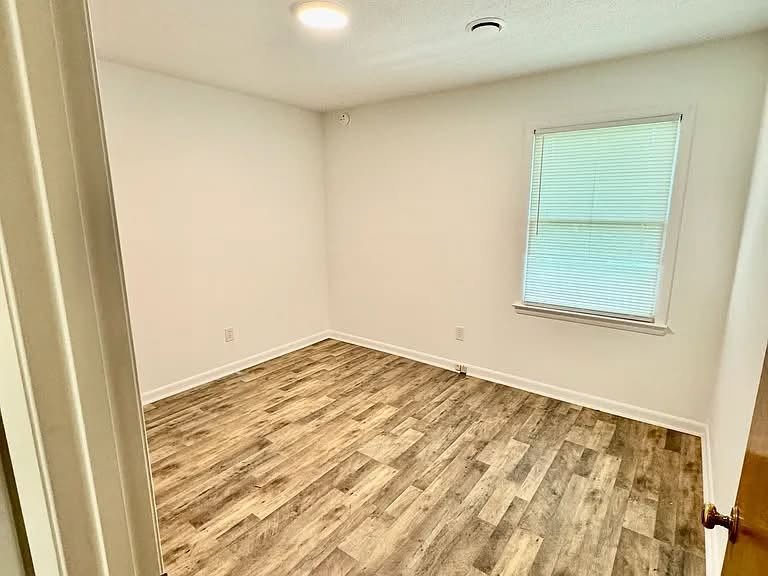
Sustainability is now a mainstream consideration rather than a niche preference. The most eco-conscious flooring choices in 2026 include:
- Bamboo flooring a fast-renewing resource with a look similar to hardwood.
- Cork flooring harvested without cutting down trees, naturally insulating and hypoallergenic.
- Reclaimed hardwood repurposed wood that adds character while reducing demand for new timber.
- Recycled-content carpet made from recycled fibers, often with lower-VOC backing.
- Low-VOC laminate and sealants better indoor air quality, especially important in bedrooms and children’s rooms.
Floor Maintenance & Longevity Tips
- Use furniture pads under heavy furniture to prevent scratches and dents, especially on hardwood and LVP.
- Sweep or vacuum high-traffic areas at least twice a week to prevent grit from scratching the surface.
- Wipe up spills immediately on hardwood and laminate to prevent warping.
- Reseal natural stone and grout lines annually to maintain water resistance.
- Use door mats at every entrance to reduce dirt and moisture tracked indoors.
- Avoid steam mops on hardwood and laminate excess moisture can cause long-term damage.
- Rotate rugs periodically to prevent uneven fading of the floor underneath.
Common Floor Design Mistakes to Avoid
- Choosing style over function picking glossy tile for a bathroom without checking its slip rating.
- Ignoring the whole-home flow using too many different flooring types creates a choppy, disconnected feel.
- Underestimating installation costs material price is only part of the budget; subfloor prep and labor matter too.
- Going too trendy extremely bold patterns can date a home faster than classic, timeless choices.
- Not testing samples at home flooring color can look completely different under your home’s actual lighting.
- Overlooking maintenance requirements beautiful natural stone requires more upkeep than many homeowners expect.
Best Practices for Choosing Home Flooring
- Start with your lifestyle: pets, kids, and high-traffic living all point toward more durable, waterproof materials.
- Match flooring tone to your existing (or planned) wall color, cabinetry, and furniture for a cohesive look.
- Get physical samples and view them in your home’s natural and artificial lighting before deciding.
- Prioritize water resistance in kitchens, bathrooms, and basements above all other factors.
- Keep flooring consistent between open-concept spaces to maintain visual flow.
- Set aside 10–15% of your flooring budget as a buffer for subfloor repairs or unexpected issues.
- Balance trend-driven choices (pattern, bold color) with timeless materials in permanent, hard-to-change areas.
Key Takeaways
- Warm, earthy tones and matte finishes are leading home floor design trends for 2025–2026.
- Luxury vinyl plank offers the best balance of style, durability, and waterproofing for busy households.
- Room-specific flooring choices matter prioritize durability in kitchens/bathrooms and comfort in bedrooms.
- Patterns like herringbone and checkerboard add timeless character without a full renovation.
- Budget-friendly options like peel-and-stick vinyl and area rugs can transform a space affordably.
- Always factor in subfloor prep and installation costs, not just material price, when budgeting.
Frequently Asked Questions
1. What is the most popular flooring trend for 2026?
Warm, earthy tones like honey oak and chestnut paired with matte or low-sheen finishes are the leading home floor design trend for 2025–2026, replacing the cool gray tones popular in previous years.
2. What is the best flooring for a home with kids and pets?
Luxury vinyl plank (LVP) is widely considered the best option for homes with kids and pets because it’s waterproof, scratch-resistant, and easy to clean, while still offering a realistic wood-look finish.
3. Is hardwood or vinyl flooring better for resale value?
Solid hardwood generally adds more resale value because buyers view it as a premium, long-lasting material. However, high-quality LVP is increasingly accepted in kitchens and bathrooms where waterproofing matters more than material prestige.
4. What flooring makes a small room look bigger?
Light-colored flooring, such as natural oak or whitewashed wood, combined with a diagonal plank layout and continuous flooring between rooms, helps make small spaces feel more open and larger.
5. How much does new flooring cost per square foot?
Flooring costs typically range from $3–$8 per square foot for laminate and carpet up to $12–$30+ per square foot for natural stone, including installation. See the full cost comparison table above for a material-by-material breakdown.
6. What is the most durable flooring option for high-traffic homes?
Porcelain tile and luxury vinyl plank are among the most durable options for high-traffic areas, resisting scratches, moisture, and daily wear far better than carpet or standard laminate.
7. Can I install new flooring myself?
Many products, especially peel-and-stick vinyl tiles, click-lock laminate, and LVP, are designed for straightforward DIY installation. Hardwood, natural stone, and large-format tile typically require professional installation for the best results.
8. What flooring pattern is trending in 2026?
Herringbone and chevron patterns are the most in-demand flooring layouts for 2025–2026, adding architectural depth and a timeless, European-inspired character to both traditional and modern homes.
9. What is the best eco-friendly flooring option?
Bamboo, cork, and reclaimed hardwood are the top eco-friendly flooring choices in 2026, offering sustainability without sacrificing style or durability.
10. Should flooring be the same throughout the whole house?
Keeping consistent flooring in open-concept and connected living areas creates a more spacious, cohesive look, while separate rooms like bedrooms and bathrooms can use different materials suited to their specific function.
11. What flooring is best for underfloor heating?
Porcelain and ceramic tile conduct and retain heat most efficiently, making them the top choice for homes with underfloor heating systems, followed by engineered hardwood designed for radiant heat compatibility.
Conclusion
Home floor design is one of the most impactful and most overlooked decisions in any renovation or decorating project. The right material, color, and pattern don’t just look good; they shape how a room feels, how easy it is to maintain, and how well your home holds its value over time. Whether you’re drawn to warm wide-plank hardwood, durable luxury vinyl, or a bold herringbone tile pattern, the key is matching your choice to both your lifestyle and your home’s overall design story.
Start with one room, use the room-by-room and cost guidance above to narrow your options, and build outward from there. A thoughtfully designed floor isn’t just a surface underfoot it’s the foundation your entire home is built on.