Explore creative wall design ideas to transform your home with stylish colors, modern patterns, and beautiful wall decor for every room.
Look around the room you are in right now. Chances are, the walls take up moe visual space than the furniture, the rug and the lighting combined. Yet walls are the part of a home most people leave blank, or fill with a few random frames and hope for the best wall design.
In this guide, we share more than 45 practical wall design ideas and wall decoration ideas for every room, plus the size rules, color advice, cost comparisons and common mistakes that most articles skip. Whether you live in a New York apartment, a London terrace, a Toronto condo, a Sydney family home or an Italian villa, you will find ideas that fit your space.
Key Takeaways
- Start with the room’s purpose and natural light, then choose a style.
- Use one focal wall per room. Too many statement walls make a space feel busy.
- Art should cover about two-thirds of the width of the furniture below it.
- Hang artwork with its center about 57 inches (145 cm) from the floor.
- In 2026, texture (limewash, plaster, fluted wood) is replacing flat bold color.
- Renters can get the same look with peel-and-stick wallpaper, mirrors and leaning art.
Quick answer: What is the best wall design? The best wall design is the one that gives a room a single clear focal point while matching the room’s function. For most homes, that means one textured or colored accent wall, a properly sized piece of art or gallery wall, and calm neutral walls around it.
Why Wall Design Matters in Interior Design
Walls are the largest surface in any room. They frame the furniture, bounce light around and set the mood before anyone notices the sofa or the lamp. That is why interior wall design is often called the foundation of a room, not the finishing touch.
Walls Control Light, Space and Mood
Light colors reflect more daylight and make rooms feel larger. Dark, deep colors absorb light and create a cozy, enclosed feeling. Texture adds depth, so a plain wall suddenly looks richer when lit from the side. Understanding these basics helps you pick wall decor that supports the room instead of fighting it.
Walls Tell Your Story
Family photos, travel prints, handmade art and favorite books on shelves all say something about you. The best home wall decor mixes style with personality, so the room feels lived in and not copied from a catalog.
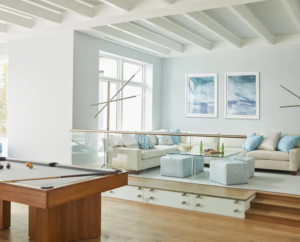
Wall Design Trends for 2026
Current interior wall design trends lean toward warmth, natural materials and personal storytelling. Here are the trends worth knowing.
1. Limewash and Textured Plaster
Limewash and Venetian-style plaster give walls a soft, cloudy finish that looks handmade. It is popular in Italian and Mediterranean homes and is now common in the US, UK and Australia. The look is calm, warm and forgiving of small wall flaws.
2. Fluted and Slat Wood Paneling
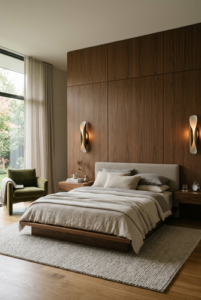
Vertical wood slats add rhythm and warmth. They work behind a bed, a TV or a console table, and they can hide uneven walls. Oak, walnut and painted MDF versions are all common.
3. Earthy and Muted Colors
Think terracotta, olive, sage, clay, mushroom and warm cream. These wall color ideas pair well with wood, linen and rattan, and they feel less harsh than stark white.
4. Arches and Curved Wall Details
Painted arches, curved niches and rounded corners soften square rooms. Even a simple painted arch behind a bed or desk creates a designer look for the price of a sample pot.
5. Statement Wallpaper and Murals
Botanical, abstract and landscape murals are replacing busy repeat patterns. A large mural on one wall can act as a piece of art that covers the entire surface.
6. Personal Gallery Walls
Instead of matching sets, people now mix family photos, sketches, small mirrors and ceramic plates. The trick is one shared element, such as frame color, to keep it cohesive.
7. Lighting as Wall Decor
Wall sconces, picture lights and LED wall washers turn the wall into a lighting feature. Warm light grazing a textured wall looks especially striking in the evening.
Wall Design Ideas by Room
Every space has different needs. Here are the best wall decoration ideas for home, organized room by room. For more room-specific inspiration, see our guide to 75 living room decoration ideas and our room decoration ideas post.
Living Room Wall Design Ideas
The living room is where guests form their first impression, so it deserves your best living room wall decor.
Wall Behind the Sofa
- Oversized art: One large canvas or framed print anchors the sofa better than several tiny frames.
- Gallery wall: Mix frames in two or three sizes and keep 2 to 3 inches (5 to 8 cm) between them.
- Large mirror: Doubles the light and makes the room feel bigger.
- Picture ledges: Let you swap art easily and layer objects.
TV Wall Design
- Paneled TV wall: Wood slats or painted wall molding frame the screen.
- Floating shelves and LED strips: Add depth and hide cables.
- Built-in storage: Cabinets on both sides make the TV feel part of the design.
- Dark matte paint: A deep charcoal or navy behind the TV reduces screen glare.
Accent Wall in the Living Room
Pick the wall you see first when you walk in, usually the one behind the sofa or the fireplace. Use texture, a rich color or wallpaper there, and keep the other three walls light.

Bedroom Wall Design Ideas
Bedroom walls should feel calm. Choose soft colors, gentle texture and warm lighting.
- Headboard wall: Use wood slats, upholstered panels, a painted arch or a mural behind the bed.
- Wall sconces: Free up bedside table space and add a cozy glow.
- Above-bed art: One wide horizontal piece or a pair of matching frames looks balanced.
- Fabric wall hangings: Macramé, woven tapestries and linen panels add softness and reduce echo.
- Calm colors: Sage, soft clay, warm greige or muted blue support sleep.
Kitchen Wall Design Ideas
Kitchen walls need to handle heat, steam and splashes. Choose washable finishes.
- Tile backsplash: Zellige, subway or patterned tile adds personality and protects walls.
- Open shelving: Display plates, plants and cookbooks.
- Chalkboard or magnetic wall: Useful for menus, lists and kids’ art.
- Framed food prints and herbs: Simple and inexpensive kitchen wall decor.
Looking for more? Browse our home accessories and kitchen decoration ideas.
Dining Room Wall Design Ideas
- Picture rail and wainscoting: Adds classic charm to traditional dining rooms.
- Statement mirror: Reflects candlelight and widens the room.
- Wallpaper above a chair rail: A trendy way to add pattern without overwhelming.
- Large landscape art: Works well over a sideboard.
Bathroom Wall Design Ideas
- Moisture-resistant paint: Use satin or semi-gloss and make sure the room is ventilated.
- Large-format tiles: Fewer grout lines, easier cleaning.
- Framed botanical prints: Choose glass-covered frames that tolerate humidity.
- Round mirrors and sconces: Soften hard surfaces.
Hallway and Staircase Wall Ideas
- Row of same-size frames: Keeps a narrow hall tidy.
- Staircase gallery: Follow the angle of the stairs for a dynamic look.
- Slim console with mirror: Practical for keys and bags.
- Light colors: Help a narrow corridor feel wider.
Home Office Wall Design Ideas
- Deep green or blue wall: Helps focus and looks good on video calls.
- Pegboard or cork board: Practical and customizable.
- Floating shelves: Store books and show favorite objects.
- Calendar and planning wall: A whiteboard paint section keeps goals visible.
Kids’ Room Wall Ideas
- Chalkboard or whiteboard paint: Lets kids draw safely.
- Height chart wall: A wooden ruler becomes a keepsake.
- Removable wall decals: Easy to change as tastes change.
- Display ledges: Keep art within reach and easy to rotate.
Small Room Wall Ideas
For small space wall decor, think vertical and light.
- Paint walls and ceiling in the same light tone to blur edges.
- Use a tall mirror opposite a window.
- Choose vertical stripes or tall art to draw the eye up.
- Pick shallow shelves so nothing sticks out into the room.
Wall Decor Types Compared
Not sure which treatment suits you? This table compares the most popular wall decoration options.
| Wall Treatment | Best For | Cost Level | DIY Difficulty | Renter-Friendly |
|---|---|---|---|---|
| Paint accent wall | Any room, fast refresh | Low | Easy | Sometimes (check lease) |
| Limewash / plaster | Living rooms, bedrooms | Medium to high | Medium to hard | No |
| Wallpaper | Bedrooms, dining, hallways | Medium | Medium | Peel-and-stick only |
| Wood slat paneling | Headboard, TV wall | Medium to high | Medium | No |
| Wall molding / wainscoting | Dining rooms, hallways | Medium | Medium | No |
| Gallery wall | Living rooms, stairs | Low to medium | Easy | Yes (with hooks) |
| Large mirror | Small rooms, entryways | Low to medium | Easy | Yes |
| Floating shelves | Kitchens, offices, living rooms | Low to medium | Easy to medium | Depends |
| Tile or stone cladding | Kitchens, bathrooms, fireplaces | High | Hard | No |
| Fabric / tapestry | Bedrooms, boho spaces | Low | Easy | Yes |
Wall Colors and Paint Finishes
Popular Wall Colors and the Mood They Create
| Color | Mood | Best Rooms | Pairs Well With |
|---|---|---|---|
| Warm white / cream | Bright, clean, open | Any room, small spaces | Wood, brass, linen |
| Sage green | Calm, natural | Bedroom, living room, office | Oak, white, terracotta |
| Terracotta / clay | Warm, earthy | Dining room, living room | Cream, rattan, olive |
| Navy / deep blue | Focused, elegant | Home office, dining room | Brass, white, tan leather |
| Warm greige | Neutral, versatile | Living room, hallway | Almost anything |
| Charcoal | Dramatic, cozy | TV wall, media room | Warm wood, soft white |
| Soft blue | Restful, airy | Bedroom, bathroom | White, light wood |
Which Paint Finish Should You Choose?
- Flat / matte: Hides flaws, perfect for bedrooms and ceilings, but marks easily.
- Eggshell: A gentle sheen that suits most living rooms and hallways.
- Satin: Easy to clean, good for kitchens, kids’ rooms and bathrooms.
- Semi-gloss: Very durable, best for trim, doors and wet areas.
Test Before You Commit
Paint a large sample (at least 2 by 2 feet, or 60 by 60 cm) and look at it in morning, afternoon and evening light. North-facing rooms (in the northern hemisphere) look cooler and grayer, while south-facing rooms look warmer. In Australia, the logic is reversed because the sun sits in the north.

Size, Spacing and Height Rules for Wall Decor
This is where many homes go wrong. Even beautiful art looks off when it is too small or hung too high. These simple rules take the guesswork out of how to decorate a wall.
| Situation | Rule of Thumb |
|---|---|
| Hanging height | Center of the art about 57 in (145 cm) from the floor |
| Art above a sofa or console | Cover about two-thirds of the furniture’s width |
| Gap between furniture and frame | 6 to 8 in (15 to 20 cm) |
| Gap between frames in a gallery wall | 2 to 3 in (5 to 8 cm) |
| Mirror above a console or sink | Slightly narrower than the furniture, never wider |
| Sconces beside a bed | About 60 in (150 cm) from the floor, adjust to your height |
| Floating shelves | Shelf depth 8 to 10 in (20 to 25 cm) for books and decor |
How to Plan a Gallery Wall in 5 Steps
- Measure the wall and the furniture below it.
- Cut paper templates the size of each frame and tape them to the wall.
- Start with the largest piece near the center, then build outward.
- Keep spacing consistent and align either the center line or the edges.
- Replace paper with frames one at a time using a level and wall-safe hooks.
Budget Wall Decor Ideas
Great cheap wall decor ideas rely on creativity, not cash. Prices vary by country and store, so treat these tiers as a rough guide.
Low-Cost Ideas (Under About $50 / £40)
- Paint one wall or a painted arch with a small tester pot.
- Print free or inexpensive digital art and use basic frames.
- Hang a thrifted mirror or plates in a cluster.
- Use washi tape or removable stickers for a temporary pattern.
Mid-Range Ideas (Roughly $50 to $300 / £40 to £250)
- Peel-and-stick wallpaper on one wall.
- Picture ledges and a set of matching frames.
- DIY wall molding using MDF strips and paint.
- A large mirror or oversized canvas.
Higher-Budget Ideas (Above About $300 / £250)
- Professional limewash or plaster finish.
- Wood slat feature wall with built-in lighting.
- Custom shelving or built-in cabinetry.
- Stone or tile cladding for a fireplace or kitchen.
If you plan a bigger renovation, check realistic material and labor numbers in our construction material and labor cost guides before you commit.

Renter-Friendly Wall Ideas
Rental rules differ, so always check your lease. In general, these options are safe and easy to remove.
- Peel-and-stick wallpaper: Test a small hidden area first.
- Leaning mirrors and art: Rest a large piece on the floor against the wall.
- Removable adhesive hooks and strips: Good for light frames.
- Tension-rod shelves: Fit in alcoves with no drilling.
- Fabric hangings and tapestries: Hung from a rod or hooks.
- Plug-in wall lamps: Add light and style without wiring.
- Freestanding screens and ladders: Work as movable “walls.”
Pros and Cons of Popular Wall Treatments
| Treatment | Pros | Cons |
|---|---|---|
| Paint | Cheap, fast, endless colors | Shows scuffs, needs repainting |
| Wallpaper | Big impact, adds pattern | Harder to remove, seams can show |
| Wood slats | Warm, modern, adds acoustics | Dust collects, costs more |
| Limewash / plaster | Rich texture, natural look | Skill-dependent, hard to patch |
| Gallery wall | Personal, flexible, low cost | Can look cluttered if unplanned |
| Tile / stone | Durable, waterproof | Expensive, hard to change |
Common Wall Decor Mistakes (and How to Fix Them)
- Hanging art too high. Lower it so the center sits at eye level, about 57 in (145 cm).
- Buying art that is too small. Go bigger, or group several pieces together.
- Making every wall a feature wall. Choose one hero wall and keep the rest quiet.
- Ignoring light. A color that looks perfect in the store may look dull at home. Test samples.
- Skipping surface prep. Patch holes, sand and prime before painting or papering.
- Matching everything exactly. A little variety makes a room feel collected, not staged.
- Forgetting the furniture. Plan wall decor and furniture together so heights and widths relate.
- Using the wrong finish in wet rooms. Choose washable, moisture-resistant paint in kitchens and bathrooms.
- Overcrowding. Leave empty space so the eye has a place to rest.
Best Practices: A Simple Step-by-Step Plan
- Define the room’s purpose. Relaxing, working, cooking or entertaining all call for different walls.
- Pick a style direction. Modern, Scandinavian, boho, traditional, industrial or Japandi.
- Choose a limited palette. Two or three main colors plus one accent is plenty.
- Select one focal wall. Usually the wall you face when you enter or sit down.
- Layer textures. Combine matte paint, wood, metal, glass and fabric.
- Add lighting. Sconces, picture lights or a floor lamp make wall decor visible after dark.
- Edit. Step back, remove one item and see if the wall improves.
Actionable recommendation: If you only have one weekend, do this. Paint one wall, hang one oversized piece of art at the right height, and add one wall light. That combination alone can transform most rooms.
Wall Design Tips for the USA, UK, Canada, Australia, Italy and Europe
United States
Many American homes have drywall, which takes paint, wallpaper and picture hooks easily. Open-plan layouts are common, so use color or paneling to define zones. Check HOA or lease rules before drilling.
United Kingdom
Older terraces and period homes often have picture rails, chimney breasts and uneven plaster. Use the chimney breast as a natural feature wall. Paint is often called “emulsion,” and breathable paints suit older solid walls.
Canada
Cold winters mean more time indoors, so warm colors, wood textures and layered lighting matter. Watch for dry indoor air, which can affect wallpaper seams and wood panels.
Australia
Bright sun and warm weather favor light, breathable finishes, natural textures and coastal or earthy palettes. Remember that room orientation is reversed compared with the northern hemisphere.
Italy
Italy is the home of plaster, stucco and Venetian finishes, along with decorative moldings and stone. Mixing old textures with modern minimal furniture is a classic look.
Europe (General)
Dimensions are metric, ceilings are often high in older buildings, and Scandinavian and Japandi styles are especially popular. High ceilings suit tall art, vertical paneling and picture rails.
Expert Insights
- Edit before you add. Our editors find that clearing a wall and starting fresh usually gives a better result than adding one more item to a crowded wall.
- Think in groups. Three objects of different heights usually look better than one large and one small object placed apart.
- Texture beats color in small rooms. A subtle textured wall adds depth without shrinking the space.
- Light is half the design. A mediocre wall with good lighting often looks better than a beautiful wall in flat light.
Safety note: When painting or renovating, ventilate the room and look for low-VOC paints. For general guidance, see the US EPA’s indoor air quality resources. For heavy mirrors, shelves or TVs, use wall anchors rated for the weight and locate studs.
Frequently Asked Questions About Wall Design Ideas
What is the best wall design for a living room?
The best living room wall design is one accent or feature wall, such as textured plaster, wood slat paneling or a large piece of art, balanced with calm neutral walls elsewhere. It gives the room a focal point without making it feel crowded.
How can I decorate an empty wall on a budget?
Use a paint accent wall, a gallery wall of framed prints, a large mirror, floating shelves or peel-and-stick wallpaper. Most of these cost far less than a full renovation and can be finished in a weekend.
What colors make a room look bigger?
Light, warm neutrals such as soft white, cream, pale greige and light sage reflect more light and make walls recede. A large mirror opposite a window adds to the effect.
How high should I hang pictures on a wall?
Hang the center of the artwork at about 57 inches (145 cm) from the floor. Above a sofa, leave 6 to 8 inches (15 to 20 cm) between the furniture and the bottom of the frame.
What size wall art should I buy?
Choose art that covers about two-thirds of the width of the furniture beneath it. For a 90-inch sofa, aim for a piece or group about 60 inches wide.
Are accent walls still in style in 2026?
Yes, but the style has shifted from one bold color to texture and material, such as limewash, fluted wood and microcement, in warm earthy tones.
What are the best wall decor ideas for renters?
Peel-and-stick wallpaper, leaning mirrors, removable adhesive hooks, tension-rod shelves, fabric wall hangings and large framed art propped on a ledge are all renter-friendly and leave walls undamaged.
What is the difference between an accent wall and a feature wall?
An accent wall usually uses color or pattern, while a feature wall can use texture, paneling, stone, wood or built-in elements. Both create one focal point in a room.
Which wall paint finish is best?
Matte or flat hides imperfections in bedrooms and living rooms, eggshell suits most main rooms, and satin or semi-gloss is better for kitchens, bathrooms and trim because it wipes clean.
How do I decorate a long hallway wall?
Use a repeating row of same-size frames at eye level, a picture ledge, a slim console with mirror, or wall sconces. Keep decor shallow so the hallway stays easy to walk through.
How much does it cost to redesign a wall?
Costs vary by country and material. Paint and prints are the cheapest options, wallpaper and wood slats are mid-range, and plaster, stone cladding and custom built-ins are the most expensive. Always get local quotes.
Can I mix different wall decor styles?
Yes. Keep one shared element such as a color, frame finish or material so the mix feels intentional, and let one style lead while others act as accents.
Conclusion
Great wall design does not require a designer or a huge budget. It requires a plan: understand the room, choose one focal wall, respect size and height rules, test your colors, and layer texture and light. Start with one wall this weekend and let the rest of the room follow.
Ready for more inspiration? Explore our home decoration ideas and home accessories guides, and learn more about EzHomeAura. Have a wall you are stuck on? Tell us in the comments, and we will help you plan it.
By the EzHomeAura Editorial Team | Updated October 2026 |
You can visit our more page click here: https://ezhomeaura.com/