Pet-friendly home decor is the practice of choosing durable, easy-to-clean, non-toxic materials and layouts that keep animals safe and comfortable without sacrificing style. In practice that means scratch-resistant floors, washable fabrics, pet-safe plants, smart storage and a dedicated spot for every animal in the house.
This guide brings together practical pet friendly interior design ideas for every room, every budget and every kind of animal. You will find material comparisons, safe plant lists, room-by-room layouts, DIY projects, mistakes to avoid and answers to the questions people search for most. Whether you live in a New York apartment, a London flat, a Toronto townhouse, a Sydney villa or a family home in Italy, these ideas work.

Key Takeaways Pet-friendly home decor
- Start with the floor. Luxury vinyl plank, porcelain tile and sealed hardwood handle claws, spills and accidents best.
- Fabric matters more than colour. Performance fabrics, microfibre and tightly woven weaves resist claws and wash easily.
- Give every pet a zone. A defined feeding, sleeping and play area keeps clutter out of the rest of your home.
- Check every plant. Lilies, sago palms and several popular houseplants are toxic to cats and dogs.
- Hide the practical stuff. Built-in feeding drawers, litter-box cabinets and lidded baskets make pet gear disappear.
- You can do it on a budget. Washable throws, a good rug and one custom nook deliver most of the benefit.
Understand Your Pet Before You Decorate
The most stylish pet friendly home decor starts with observation, not shopping. A greyhound that sprawls on the sofa needs a different room than a kitten that climbs curtains or a rabbit that chews skirting boards (baseboards). Spend a week noticing where your animal sleeps, where it eats, what it scratches and which rooms it avoids.
Match the design to the animal
| Pet type | Main design challenge | Best decor response |
|---|---|---|
| Large dogs | Muddy paws, shedding, slipping on hard floors | Washable rugs with grip, entry bench, wipeable paint |
| Small dogs | Jumping on and off furniture, escaping gaps | Pet steps, low beds, discreet gates |
| Cats | Scratching, climbing, litter smell | Wall shelves, scratching posts, hidden litter cabinet |
| Rabbits | Chewing cables, wood and carpet | Cable covers, play pen zone, chew-safe willow decor |
| Birds | Mess, noise, drafts, airborne fumes | Cage on wipeable flooring, away from kitchens |
| Fish and reptiles | Weight, heat, humidity, power | Solid stand, ventilation, moisture-proof surroundings |
Best Pet-Friendly Flooring
Flooring takes the heaviest daily beating, so it deserves the biggest share of your budget. The ideal surface is scratch-resistant, waterproof, easy to clean and kind to joints.
Flooring comparison for pet owners
| Flooring | Scratch resistance | Water resistance | Comfort for pets | Typical cost (installed, per sq ft) |
|---|---|---|---|---|
| Luxury vinyl plank (LVP) | High | Excellent | Good, some grip | $3–$9 |
| Porcelain or ceramic tile | Very high | Excellent | Cold and hard | $5–$15 |
| Engineered hardwood | Medium | Medium | Good | $6–$14 |
| Laminate (water-resistant) | Medium to high | Medium | Slippery | $3–$8 |
| Bamboo (strand-woven) | High | Medium | Hard | $5–$10 |
| Wall-to-wall carpet | Low | Poor | Soft, but traps hair and odour | $3–$9 |
Prices are rough estimates and vary by country, region and installer.
Pros and cons of the most popular options
- Luxury vinyl plank: Pros are waterproofing, realistic wood looks and affordability. The downside is that cheap versions can dent under sharp claws.
- Porcelain tile: Pros are near-indestructible and perfect for muddy entryways. The downside is cold, hard underfoot, so add rugs for older pets.
- Hardwood: Pros are timeless beauty and refinishing potential. The downside is scratches and urine damage. Choose harder species and a matte finish to hide marks.
- Carpet: Pros are warmth and grip. Cons are stains, smells and hair. If you love carpet, choose low-pile, tightly looped or solution-dyed nylon.
Rugs that work with pets
Choose low-pile, flat-weave or machine-washable rugs. Avoid long shag and loose loops that catch claws. Patterned, mid-tone rugs hide hair better than solid dark or light ones. Add a non-slip underlay so dogs do not skid, especially seniors with arthritis.

Walls, Paint and Wall Protection
Dog tails, wet noses and cat claws all leave marks at pet height. A few smart choices keep walls looking fresh.
- Use scrubbable paint. Satin or eggshell finishes wipe clean far better than flat matt. Look for “scrubbable” or “washable” on the tin.
- Add wainscoting or panelling. Board-and-batten or shaker panelling to about 36–42 inches (90–105 cm) protects the dirtiest zone and adds character.
- Try wallpaper carefully. Vinyl-coated, washable wallpaper above the panelling gives pattern without the risk of peeling claws.
- Choose forgiving colours. Warm neutrals, greige, sage and mid-tone blues disguise fur and fingerprints.
- Use low-VOC paint. Animals have sensitive respiratory systems. Low-VOC or zero-VOC paints and good ventilation during painting are safer for everyone.
Pet-Friendly Furniture and Fabrics
The best fabrics for homes with pets
| Fabric | Claw resistance | Hair release | Stain resistance | Verdict |
|---|---|---|---|---|
| Performance fabric (crypton-style) | High | Good | Excellent | Best overall |
| Microfibre | High | Good | Good | Best budget pick |
| Top-grain leather | Medium (develops patina) | Excellent | Good | Good for dogs, risky for cats |
| Tightly woven canvas or denim | High | Medium | Medium (washable covers) | Great for slipcovers |
| Velvet (performance grade) | Medium | Medium | Good | Luxe look, test first |
| Loose-weave linen, bouclé, chenille | Low | Poor | Poor | Avoid with cats |
Furniture features to look for
- Removable, machine-washable covers so you can refresh the sofa in an hour.
- Raised legs that let robot vacuums reach underneath and prevent pets hiding items there.
- Solid wood or metal frames that survive chewing and jumping better than particleboard.
- Sectionals and daybeds that give pets a clear spot without dominating the sofa.
- Ottomans with storage for toys, leads (leashes) and brushes.
If your cat shreds upholstery, place a scratching post right beside the favourite scratching spot and treat the sofa with double-sided pet-safe tape for a few weeks while the habit changes.
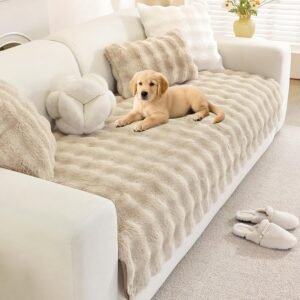
Washable slipcovers and performance fabrics keep sofas looking fresh.
Create Pet Zones That Look Designed
Instead of scattering bowls, beds and toys everywhere, give each activity a home. Zones make daily routines easier and your decor calmer.
1. A built-in feeding station
Set bowls on a washable tray or inside a cabinet with a pull-out feeding drawer so they are tucked away between meals. Raise bowls to a comfortable height for large or older dogs. Keep the water bowl away from carpets and add a silicone mat to catch splashes.
2. A sleeping nook
Under-stair spaces, bookcase bases, window seats and the area beneath a console table all convert easily into cosy dens. Use a bed with a removable cover and match it to your cushions so it feels intentional. Place it out of draughts and away from loud appliances.
3. A hidden litter box
Cats like privacy and accessible exits. Options include a cabinet with a cat-sized opening, a bench with a concealed tray or a bathroom nook. Provide good ventilation and keep it away from food. Scoop daily; a clean box prevents accidents elsewhere.
4. A grooming and cleaning corner
A utility room, mudroom or even a shower stall with a handheld sprayer works. Add hooks for towels and leads, a shelf for shampoos and a drying rack.
5. A play and enrichment area
Rotate toys and use open baskets or a lidded trunk. For cats, add shelves and perches. For dogs, a small sniff mat corner keeps them mentally busy.
Room-by-Room Pet Decor Ideas
Living room
This is where pets and people spend the most time together, so durability and comfort come first. Choose a sofa with washable covers, layer a flat-weave rug, and keep a throw blanket on the pet’s favourite spot to catch hair. Store toys in a basket that matches your decor. For more layout inspiration, see our guide to 75 living room decoration ideas.
Kitchen
Choose easy-clean floors and avoid leaving food on counters. Install child-safe or pet-safe latches on lower cabinets that hold cleaning products, chocolate, onions and other hazards. A small built-in feeding nook under a counter overhang keeps bowls out of foot traffic.
Bedroom
Decide early whether pets sleep on the bed. If yes, use a washable duvet cover and a layer of waterproof mattress protector. If no, place a comfortable bed at the foot of yours so your animal stays close. Keep wires, chargers and small items off the floor.
Entryway or mudroom
A bench with storage, a boot tray, wall hooks for leads and a washable runner turn muddy walks into a calm routine. Add a towel basket and paw wipes by the door. See more ideas in our room decoration ideas guide.
Bathroom
Keep the toilet lid closed, store medications and cleaners in closed cabinets, and use a non-slip mat for bathing pets.
Balcony, patio and garden
Choose outdoor fabrics, secure railings with pet-safe netting, and avoid toxic plants and cocoa-shell mulch, which is harmful to dogs. Offer shade and fresh water year-round.

Decor Ideas for Cat Owners
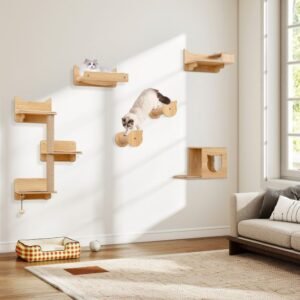
Cats think vertically. Giving them height, hiding places and scratching surfaces reduces furniture damage and stress.
- Wall-mounted shelves and walkways: Create a climbing route along a wall, ending at a window perch.
- Window seats and hammocks: Sunny windows are the most valuable cat real estate.
- Furniture-style cat trees: Neutral, wood-and-sisal designs blend with modern interiors.
- Multiple scratching surfaces: Offer vertical and horizontal options in sisal, cardboard and wood.
- A cat-proof curtain strategy: Use short curtains, blinds or shutters out of claw reach.
- Cord management: Tidy cables with covers or channels so curious paws and teeth stay safe.
Decor Ideas for Dog Owners
- Durable beds in decor-friendly colours: Pick orthopaedic beds for large and senior dogs.
- Dog-proof baseboards: Paint with scrubbable finish or add protective trim where dogs rub.
- Pet gates built to look good: Wood and metal gates blend with the architecture and block stairs or kitchens when needed.
- Dog-washing station: A raised tub or walk-in shower in the utility room saves your bathroom.
- Furniture-style crates: A crate that doubles as a side table keeps the den feeling while looking intentional.
- Non-slip surfaces: Runners and grip pads protect hips and joints.
Rabbits, Birds, Fish, Reptiles and Other Pets
Rabbits and guinea pigs
Create a safe play pen with floor space for hopping. Cover cables, protect wooden furniture legs and offer chew toys. Choose rubber-backed mats, not loose rugs they can eat.
Birds
Place cages in a bright, social room away from the kitchen. Non-stick cookware fumes (PTFE), aerosol sprays and scented candles can be dangerous to birds, so ventilate well and avoid them. Use wipeable flooring below the cage.
Fish tanks
A full aquarium is heavy, so use a stand rated for its weight and place it on a level floor away from direct sun. Hide cables with cabinetry and choose a wall colour that makes the tank glow.
Reptiles
Terrariums need heat, humidity and secure lids. Use moisture-resistant surfaces and keep electrical equipment well away from water.
Pet-Safe Plants and Greenery
Plants add life to any room, but some are poisonous. The ASPCA maintains a searchable toxic and non-toxic plants database and is the best place to check before you buy.
| Generally pet-safe (cats and dogs) | Toxic or risky for pets |
|---|---|
| Spider plant | Lilies (especially dangerous for cats) |
| Boston fern | Sago palm |
| Areca and parlour palm | Pothos and philodendron |
| Calathea and prayer plant | Monstera |
| African violet | Aloe vera |
| Peperomia | Snake plant |
If you are unsure, choose artificial or preserved plants of good quality, but note that some pets chew them too. Hang planters high and keep soil covered.

Interior Styles That Suit Pet Owners
- Modern minimalist: Clean surfaces make hair easy to spot and vacuum. Add one statement pet piece.
- Scandinavian: Light woods, washable wool and cotton throws feel calm and hide pale fur.
- Boho and eclectic: Patterned rugs and layered textiles conceal wear beautifully.
- Farmhouse and cottage: Slipcovers, tile floors and rustic wood forgive scuffs.
- Mediterranean and Italian-inspired: Terracotta or stone-look tiles stay cool for pets in warm climates and age gracefully.
- Industrial: Concrete, leather and metal stand up to heavy use.
Pick colours that echo your pet’s coat. Cream and oatmeal blend with golden retrievers, charcoal with black Labradors and warm grey with many cats.
Budget and DIY Pet Decor Ideas
| Idea | Approximate cost | Difficulty | Impact |
|---|---|---|---|
| Washable throw blankets on furniture | $15–$40 | Very easy | High |
| Machine-washable rug | $60–$250 | Very easy | High |
| Scrubbable paint on lower walls | $40–$100 | Easy | Medium |
| DIY pet bed from an old drawer or crate | $20–$60 | Easy | Medium |
| Floating shelves for cats | $30–$100 | Medium | High |
| Litter-box cabinet from a flat-pack unit | $80–$200 | Medium | High |
| Dog wash station in a utility room | $200–$800 | Hard | High |
Costs are rough estimates and vary by location and materials.
Looking for more affordable styling tips? Browse our home accessories section for cushions, rugs and storage ideas that work in pet-friendly homes.
Small Apartments and Rentals
- Go vertical: Wall shelves, hooks and tall cat trees save floor space.
- Use multi-purpose furniture: Storage ottomans, benches with bins and console-table crates.
- Choose removable solutions: Peel-and-stick tiles, tension-rod gates and clip-on scratchers protect your deposit.
- Protect floors with rugs: Large washable rugs cover wear and noise.
- Check your lease: Many landlords require a pet agreement and may charge a deposit. Check local rules in your country or state.
Cleaning, Odour and Hair Control
- Vacuum high-traffic areas with a pet-hair vacuum two to three times per week.
- Wash pet beds and throws weekly in a pet-safe, fragrance-free detergent.
- Use an enzymatic cleaner for urine accidents, because regular cleaners leave odour traces that attract repeat marking.
- Brush your pet regularly to reduce shedding at the source.
- Run an air purifier with a HEPA filter in rooms where pets sleep.
- Avoid essential-oil diffusers and strong chemicals around cats, birds and small animals.
Common Mistakes to Avoid
- Choosing style over safety. Beautiful but toxic plants or breakable decor can lead to emergencies.
- Buying cheap carpet. It holds odour and wears out fast.
- Ignoring the pet’s age. Slippery floors and tall furniture are tough on senior animals and puppies.
- Using loose cords and small decor. These are chewing and swallowing hazards.
- Forgetting temperature. Pets need cool and warm spots and shade.
- Skipping a trial run. Test fabrics and layouts for a week before committing.
Best Practices Checklist
- Pet-proof one room at a time and walk through at pet height.
- Keep medicines, cleaners, chocolate, grapes, onions and xylitol products locked away.
- Choose washable, replaceable items over precious pieces.
- Give every pet a bed, a bowl station and an escape route.
- Review your setup after major life changes such as a new puppy, a senior pet or a move.
Pros and Cons of Pet-Friendly Design
| Pros | Cons |
|---|---|
| Less cleaning and fewer replacements | Higher upfront cost for durable materials |
| Safer, calmer pets | Fewer “delicate” decor options |
| Tidier, more organised home | Some pieces (custom nooks) need planning or DIY |
| Can raise resale appeal when done neutrally | Pet-specific features may need removal for some buyers |
Conclusion
A beautiful home and a happy pet are not opposites. Start with a tough, easy-clean floor, choose washable fabrics, give every animal a clear zone, check every plant and keep hazards out of reach. Then layer in colour, texture and personality at a pace and budget that suits you.
Pick just one idea from this list today, such as a washable rug, a cat shelf or a hidden feeding station, and build from there. For more inspiration, explore our home decoration ideas library. If you have a serious health or behaviour concern about your animal, talk to your veterinarian.
Frequently Asked Questions
What are the best pet friendly home decor ideas?
The best pet friendly home decor ideas include scratch-resistant flooring such as vinyl plank or tile, washable slipcovers and performance fabrics, scrubbable paint, pet-safe plants, hidden storage for pet gear and a dedicated zone for feeding, sleeping and play.
What is the best flooring for homes with pets?
Luxury vinyl plank and porcelain tile are usually the best flooring for pets because they resist scratches and water. Sealed engineered hardwood also works. Avoid thick carpet, which traps hair, stains and odour. Add washable rugs for warmth and grip.
What fabric is best for a sofa with cats and dogs?
Performance fabric and microfibre are best because they resist claws, release hair and clean easily. Tightly woven canvas slipcovers are also good. Avoid loose weaves like bouclé, chenille and linen, which cats snag and shred easily.
How do I decorate my house with a dog without making it look messy?
Give your dog a designated bed or nook, store toys in matching baskets, use washable throws, choose forgiving colours and install an entryway bench with hooks for leads. Hidden storage and a feeding station keep the space tidy.
How can I hide a litter box in my home decor?
Use a cabinet or bench with a cat-sized opening, place it in a quiet spot like a utility room or bathroom nook, ensure ventilation and keep it away from food and water. Scoop daily so the space stays odour-free.
Which houseplants are safe for cats and dogs?
Spider plants, Boston ferns, areca and parlour palms, calathea, African violets and peperomia are generally considered non-toxic. Always confirm each plant in the ASPCA database, and avoid lilies, sago palms, pothos, monstera and aloe vera.
What colours hide pet hair best?
Mid-tone, warm neutrals such as greige, oatmeal, taupe and soft grey hide hair best, especially in textured or patterned fabrics. Match upholstery and rugs to your pet’s coat colour to make shedding less noticeable.
How do I pet-proof a small apartment?
Use vertical space with wall shelves and tall cat trees, choose storage furniture, cover cables, install removable gates, lay washable rugs and keep toxic plants and cleaning products out of reach. Renter-friendly solutions protect your deposit.
How much does it cost to make a home pet friendly?
Simple changes like washable throws, a rug and a scratching post can cost under $200. Replacing flooring or building a dog wash station can cost several thousand dollars. Costs vary by country and home size.
How do I stop my cat from scratching my furniture?
Place sturdy scratching posts next to the favourite spots, offer different textures, use pet-safe deterrent tape temporarily, trim claws regularly and reward your cat for using the post. Choose tightly woven furniture fabrics.
Can I have a pet-friendly home that is also minimalist or modern?
Yes. Choose clean-lined furniture with washable covers, built-in feeding drawers, hidden litter cabinets and neutral pet beds. Minimalist homes make hair easy to spot and clean, so they can be very pet friendly.
What household items are dangerous for pets?
Common dangers include toxic plants, chocolate, grapes, onions, xylitol, medications, cleaning products, essential oils, loose cables and small decor that can be swallowed. Store them securely, and call your vet or an animal poison helpline in an emergency.
Disclaimer: This article offers general decor and lifestyle guidance and is not veterinary advice. Costs are approximate.
By the EzHomeAura Editorial Team · Last updated: October 2026 ·
You can visit our more page click here: https://ezhomeaura.com/