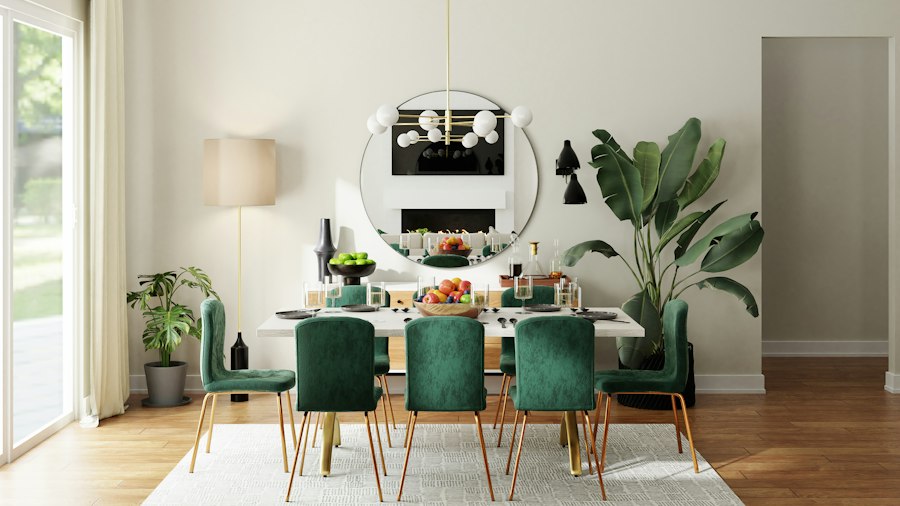
If you’ve ever stood in your dining room wondering why it doesn’t quite feel finished, you’re not alone. The dining room is one of the most overlooked spaces in the home until it’s time to host. Then, suddenly, every gap in your dining room decoration becomes obvious: the bare walls, the dim overhead light, the mismatched chairs, the rug that’s either missing or the wrong size. The good news is that a dining room makeover doesn’t require a renovation budget. With the right combination of color, lighting, furniture scale, and a few well-chosen accents, even a small or awkward dining space can become the room everyone wants to linger in.
This guide brings together practical, designer-backed dining room decorating ideas for every budget, room size, and style from small apartment dining nooks to open-concept dining areas to formal dining rooms used mainly for holidays. We’ll cover dining room wall decor, lighting height formulas, color schemes, rug sizing, furniture layout, centerpiece ideas, and the mistakes most homeowners make without realizing it. Whether you’re after a modern dining room look, a cozy farmhouse dining room, or an elegant, traditional dining space, you’ll find actionable, real-world advice here not just a photo gallery.
Key Takeaways
- Lighting fixtures should hang 30–36 inches above the table for the right balance of glow and sightlines.
- Leave 42–48 inches between the table edge and the wall (or nearest furniture) for comfortable movement.
- Area rugs should extend at least 24–36 inches beyond the table on all sides so chairs stay on the rug when pulled out.
- Layered lighting a central fixture plus wall sconces or lamps does more for ambiance than a single overhead light.
- Small dining rooms benefit most from round or oval tables, mirrors, and a lighter color palette.
- A sideboard, buffet, or hutch instantly upgrades both storage and style, even in small spaces.
Table of Contents
- 1. Why Dining Room Decor Matters More Than You Think
- 2. Planning Your Dining Room Layout: Space, Clearance & Flow
- 3. Small Dining Room Decorating Ideas
- 4. Choosing Dining Room Furniture: Table, Chairs & Storage
- 5. Dining Room Color Schemes That Work
- 6. Area Rugs: Sizing, Shape & Placement
- 7. Dining Room Wall Decor & Art
- 8. Dining Room Lighting Ideas (Chandeliers, Pendants & Sconces)
- 9. Plants & Greenery for a Lived-In Feel
- 10. Styling a Sideboard, Buffet or China Cabinet
- 11. Dining Room Decor on a Budget
- 12. Dining Table Centerpiece & Everyday Styling Ideas
- 13. Dining Room Styles Compared (Comparison Table)
- 14. Common Dining Room Decorating Mistakes to Avoid
- 15. Open-Concept & Multi-Purpose Dining Rooms
- 16. Seasonal & Holiday Dining Room Decor
- 17. Expert Insights & Best Practices
- 18. Frequently Asked Questions
- 19. Conclusion
1. Why Dining Room Decor Matters More Than You Think
The dining room occupies a strange position in modern homes. It isn’t used as constantly as the kitchen or living room, yet it carries an outsized emotional weight it’s where birthdays, holidays, and Sunday dinners happen. Real estate agents will tell you that a well-decorated dining room can influence how buyers perceive an entire home’s value, because it signals intentional, considered design rather than an afterthought space.
Beyond resale value, dining room decoration shapes behavior. A dim, cluttered, or awkwardly furnished dining room discourages lingering people eat and leave. A well-lit, comfortable, visually warm dining room does the opposite: it invites conversation to stretch past dessert. That’s the real goal of dining room design ideas not perfection, but a space that quietly works with how your household actually lives.
2. Planning Your Dining Room Layout: Space, Clearance & Flow
Before buying a single accessory, get the bones right. Dining room layout mistakes are the hardest to fix after the fact because they involve furniture, not decor.
2.1 Table-to-Wall Clearance
Leave roughly 42–48 inches between your dining table’s edge and the nearest wall or furniture piece. This allows people to pull out chairs and walk behind seated guests without squeezing. In tighter rooms, 36 inches is the realistic minimum, but anything less makes the room feel cramped no matter how nice the decor is.
2.2 Traffic Flow
Map out how people move through the room to the kitchen, to a hallway, around the table during a dinner party. Keep at least one clear walking path that doesn’t require moving a chair.
2.3 Sightlines
Consider what’s visible from the front door, the kitchen, or an adjoining living room. In open floor plans, the dining table is often the first thing seen, so it deserves a deliberate focal point: a chandelier, a piece of art, or a console styled behind it.
3. Small Dining Room Decorating Ideas
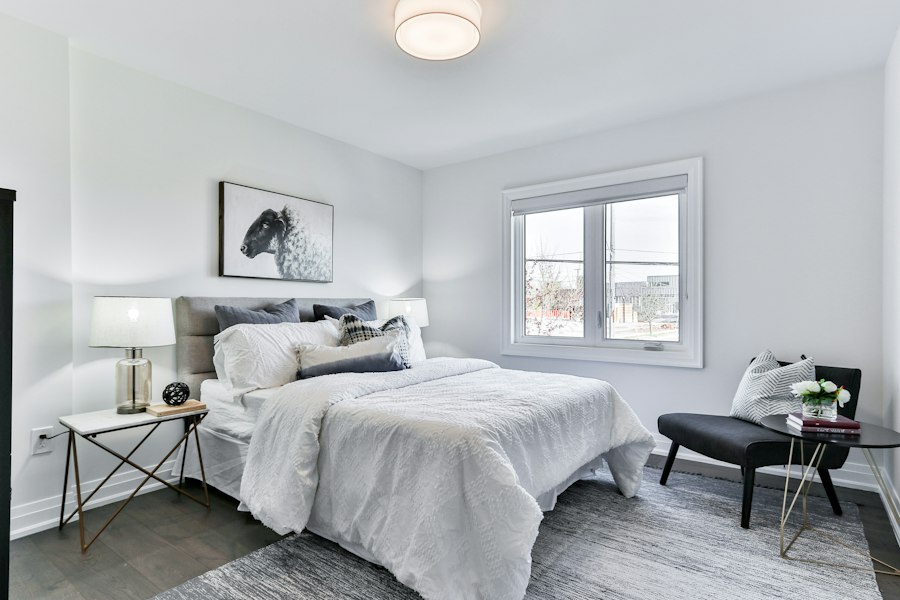
Small dining room decorating ideas are some of the most searched dining room queries, and for good reason — most homes, especially apartments and older houses, have compact dining spaces. The good news: small doesn’t mean limited.
3.1 Choose a Round or Oval Table
Round pedestal tables have no sharp corners to navigate and offer more usable legroom than rectangular tables of a similar footprint. For a small dining room, a round table can comfortably seat 4–6 in a space a rectangular table couldn’t.
3.2 Use Mirrors Strategically
A large mirror positioned to reflect the table or a window doubles perceived light and visually expands the room one of the oldest, most effective small dining room decorating ideas.
3.3 Keep the Palette Light but Not Boring
Soft neutrals, warm whites, and pale greens keep small rooms feeling open, while a single textured element (a woven rug, a patterned runner) prevents the space from feeling flat.
3.4 Built-In Banquettes and Corner Nooks
A banquette with cushions tucked into a corner maximizes seating without requiring chair clearance on every side ideal for tight breakfast nooks or apartment dining corners.
3.5 Multi-Purpose Furniture
In small spaces, every piece should earn its keep. A narrow console that serves as both sideboard and bar cart, or a drop-leaf table that expands only when needed, keeps the room flexible.
4. Choosing Dining Room Furniture: Table, Chairs & Storage
4.1 Sizing Your Dining Table
As a general rule, allow 24 inches of table width per seated person. A 6-person table typically needs to be at least 72 inches long (rectangular) or 54–60 inches in diameter (round).
4.2 Chair Comfort and Material
Dining chairs are where comfort quietly decides how long people stay at the table. Overly rigid chairs end dinners early; overly soft chairs make formal dining feel sloppy. Performance fabrics are a smart choice for households with kids or frequent entertaining, since spills wipe clean rather than stain.
4.3 Mixing Chair Styles
You don’t need a matching set. Wooden chairs on the sides with upholstered armchairs at each end is a popular, designer-favored way to add visual interest without looking mismatched as long as the materials share a common color thread.
4.4 Storage Pieces: Sideboard vs. Buffet vs. China Cabinet vs. Credenza
| Piece | Best For | Typical Features |
|---|---|---|
| Sideboard / Buffet | Everyday storage + serving surface | Long, low, cabinets with doors and drawers |
| China Cabinet / Hutch | Displaying dishware and glassware | Glass-front upper section, closed lower storage |
| Server | Smaller formal rooms | Lighter scale, drawers, open or closed base |
| Credenza | Modern dining rooms | Long, low, sliding doors, minimal hardware |
5. Dining Room Color Schemes That Work
Color does more work in a dining room than almost any other decor decision, because it’s experienced under shifting light — daylight, candlelight, and overhead fixtures all change how a color reads.
5.1 Moody, Saturated Walls
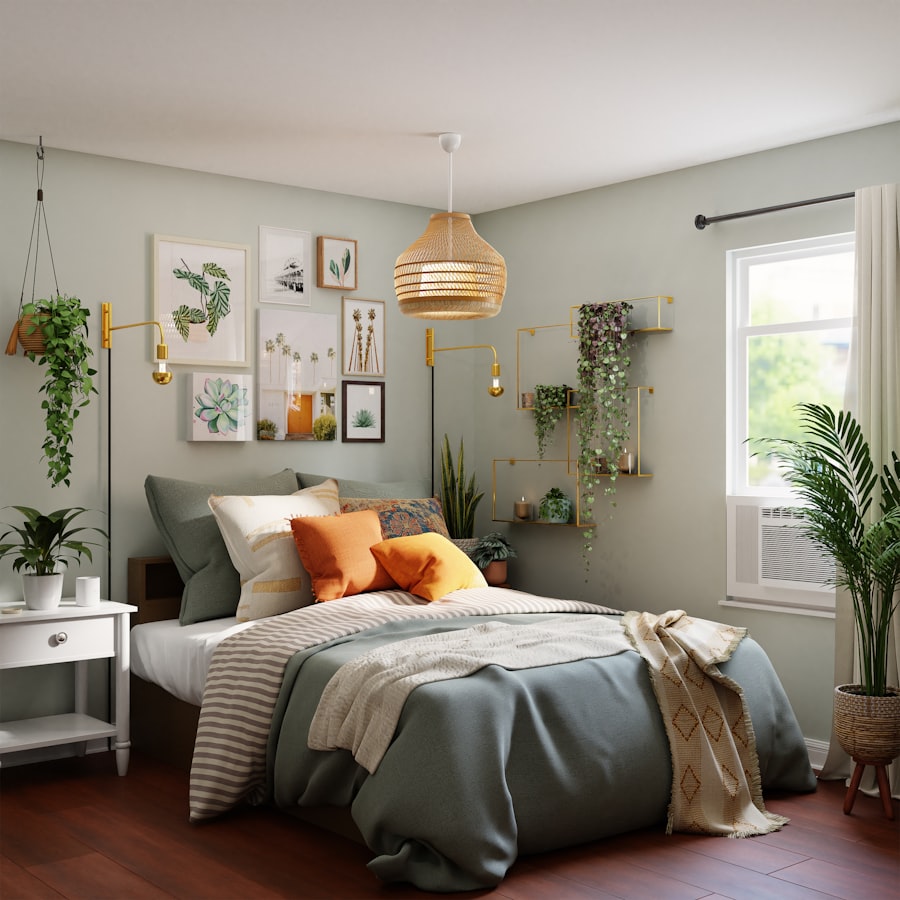
Deep navy, forest green, charcoal, and even black walls have become a defining dining room trend, replacing the single “accent wall” approach of the 2010s. An all-over saturated color creates a cocoon-like, intimate dinner-party atmosphere that a single accent wall can’t replicate.
5.2 Soft Neutral Palettes
Warm whites, greige, and soft taupe keep formal dining rooms timeless and make small spaces feel larger. Add depth through texture (linen drapery, a jute rug, wood tones) rather than additional color.
5.3 Color Accents: Blue, Green, and Earth Tones
Light blue or sage green walls read as elegant without feeling heavy, and pair well with brass or gold accents and natural wood furniture.
5.4 Quick Color Psychology Notes
- Red/Terracotta: stimulates appetite and conversation; works well in formal or eclectic dining rooms.
- Blue: calming, good for everyday family dining spaces.
- Green: grounding, pairs naturally with houseplants and wood tones.
- Black/Charcoal: dramatic, best with strong lighting layering to avoid feeling cave-like.
6. Area Rugs: Sizing, Shape & Placement
A rug quietly defines the boundaries of a dining area, especially in open-plan homes where the dining zone can otherwise blur into the living room or kitchen.
6.1 Sizing Rule of Thumb
The rug should extend at least 24–36 inches beyond the table’s edge on all sides, so chair legs stay on the rug even when pulled back from the table. A rug that’s too small where chair legs fall off the edge when guests sit down is one of the most common dining room decorating mistakes.
6.2 Shape Matching
Round tables generally pair best with round or square rugs; rectangular tables pair with rectangular or runner-style rugs. Mixing shapes deliberately (a round table on a square rug, for example) can add interesting visual contrast if done with intention.
6.3 Material Considerations
Low-pile, stain-resistant materials (wool blends, flatweave, performance synthetics) hold up far better under dining chairs and spills than high-pile shag rugs.
7. Dining Room Wall Decor & Art
Bare walls make a dining room feel unfinished even when the furniture and lighting are perfect. Wall decor is one of the highest-impact, lowest-cost dining room decoration ideas available.
7.1 Gallery Walls
A curated gallery of art, photography, and prints in varying frame sizes adds personality and works especially well above a sideboard or along a long dining room wall.
7.2 Statement Mirrors
Beyond expanding light, a large mirror positioned to reflect the dining table is a classic feng shui dining room principle believed to amplify abundance and practically, it doubles the room’s visual depth.
7.3 Wallpaper and Molding
Patterned or textured wallpaper on a single wall, paired with wainscoting or picture-frame molding below, adds architectural interest without overwhelming a small room.
7.4 Open Shelving for Dinnerware
Displaying china and glassware on open shelves turns functional storage into wall decor, and makes small dining rooms feel more curated and personalized.
8. Dining Room Lighting Ideas (Chandeliers, Pendants & Sconces)
Lighting does not just decorate a dining room it defines how the room behaves. Poor lighting is the single most common reason a dining room feels flat or unfinished, even with great furniture and color choices.
8.1 The Height Formula
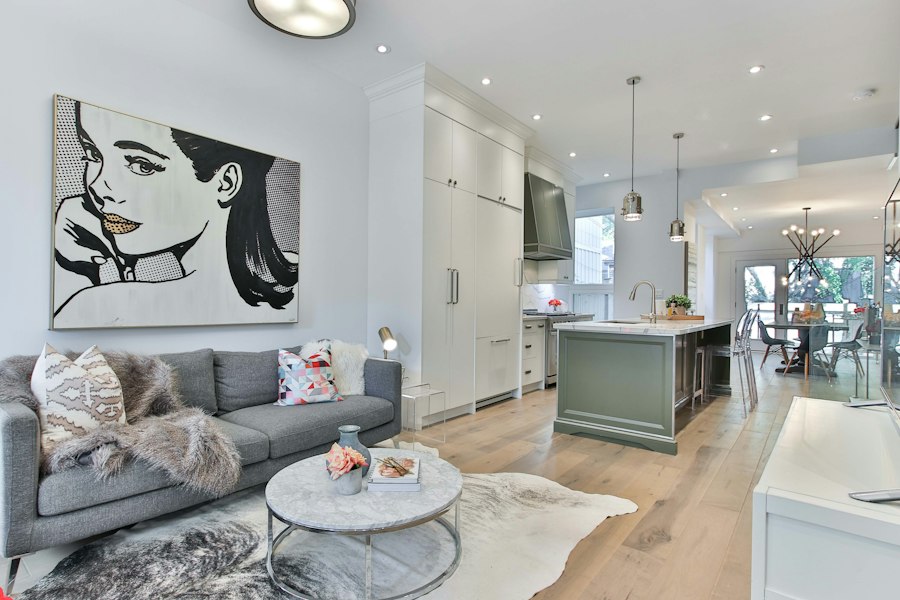
Hang your main fixture so the bottom sits 30–36 inches above the tabletop. For rooms with 8-9 foot ceilings, stay closer to 30–32 inches; for taller ceilings, you can go up to 36 inches without losing visual connection across the table.
8.2 Chandelier vs. Pendant: Which to Choose
| Chandelier | Pendant Light | |
|---|---|---|
| Best for | Formal or traditional dining rooms | Modern or minimalist dining rooms |
| Pros | Statement piece, classic elegance, often dimmable | Sleek, affordable, easy to scale for small rooms |
| Cons | Can overwhelm small rooms; higher cost | Less dramatic as a sole focal point |
8.3 Layering with Sconces and Lamps
Wall sconces, table lamps, or soft indirect lighting shift a dining room from purely functional to genuinely intimate. Mount sconces 60–66 inches from the floor, spaced 2–3 feet apart, for even, flattering light.
8.4 Dimmers Are Non-Negotiable
A dimmer switch instantly makes a dining room more versatile bright for homework or crafts, low and warm for dinner parties.
9. Plants & Greenery for a Lived-In Feel
Plants do something furniture cannot: they interrupt rigid structure with softness and visible life. A tall floor plant in a corner balances an otherwise boxy layout, while a small arrangement on the table or sideboard creates a lived-in rhythm even on an ordinary weeknight.
9.1 Low-Light Options for Dining Rooms
Many dining rooms get limited direct sun. Pothos, ZZ plants, snake plants, and peace lilies tolerate low light well and require minimal upkeep ideal for a room used mainly in the evening.
9.2 Faux Greenery
High-quality faux stems and trees are a practical option for dining rooms with inconsistent light or for households that travel often; modern faux greenery is difficult to distinguish from real plants at a glance.
10. Styling a Sideboard, Buffet or China Cabinet
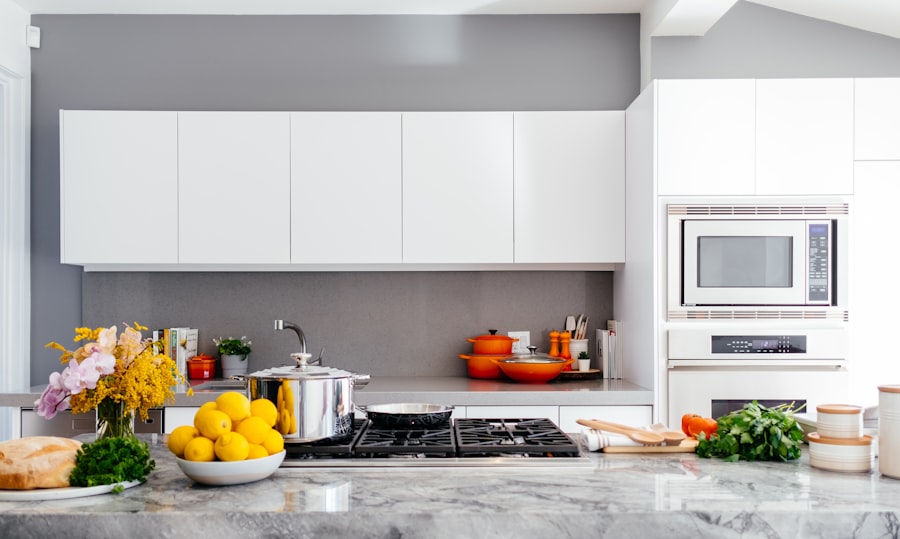
A sideboard is the ultimate stealth player in dining room decor it works hard so the table doesn’t have to, hiding extra dinnerware while doubling as a serving and styling surface.
10.1 The Rule of Three (and Restraint)
A few considered objects a lamp, a stack of books, a vase, a small piece of art leaned against the wall are enough. Beyond that, styling tips into clutter wearing a disguise.
10.2 Layering Heights
Vary object heights (tall lamp, medium vase, low bowl) to create visual rhythm rather than a flat, even row of items.
10.3 Seasonal Swaps
A sideboard is the easiest place to rotate seasonal decor candles and greenery for winter, florals for spring without redecorating the whole room.
11. Dining Room Decor on a Budget
A dining room refresh doesn’t require a full furniture replacement. Here’s how to prioritize spend by budget tier.
| Budget Tier | What to Prioritize |
|---|---|
| Under $100 | New table runner, candles, a thrifted vase, peel-and-stick wallpaper accent, fresh or faux greenery |
| $100–$500 | Statement wall art or a gallery wall, an area rug, a pendant light swap, paint for an accent (or full) wall |
| $500+ | A new chandelier, reupholstered or new dining chairs, a sideboard, a custom or large-format rug |
11.1 DIY Centerpieces
A tray with grouped candles, or mason jars with seasonal flowers, is a low-cost way to personalize the table and instantly make it feel intentional rather than empty.
11.2 Thrifted and Mixed Seating
Sourcing mismatched chairs from thrift stores and painting them to coordinate is a budget-friendly way to add personality that a matching boxed dining set can’t replicate.
12. Dining Table Centerpiece & Everyday Styling Ideas
The goal for an everyday tablescape is restraint: a tray, bowl, or vase is enough. Anything more becomes something guests have to “play peek-a-boo” around just to pass the salt.
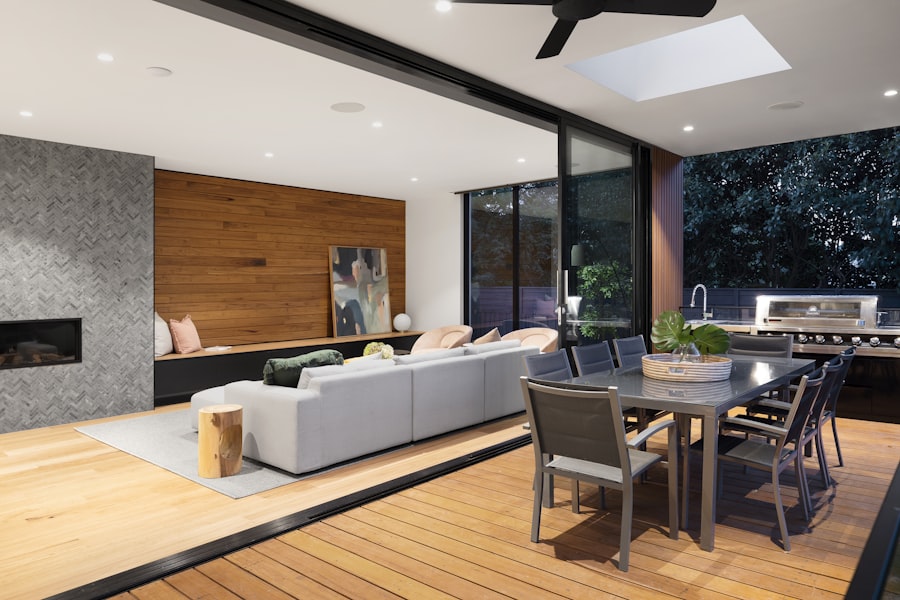
- Wood or marble tray with a candle cluster simple, neutral, works with any style.
- Low sculptural bowl for a modern table, swapped seasonally with fruit or ornaments.
- Single stem in a bud vase minimal but enough to shift a table from static to alive.
- Coasters and a runner instead of a full tablecloth for daily use, saving the formal linens for special occasions.
13. Dining Room Styles Compared (Comparison Table)
| Style | Color Palette | Materials | Lighting | Best For |
|---|---|---|---|---|
| Modern Farmhouse | Warm white, soft gray, wood tones | Reclaimed wood, woven textures, matte black metal | Wagon-wheel or linear chandelier | Family homes, casual entertaining |
| Modern/Minimalist | Monochrome neutrals, occasional bold accent | Glass, lacquer, sleek metal | Geometric pendant or sculptural fixture | Open-plan apartments, small spaces |
| Traditional/Formal | Deep jewel tones, rich wood | Solid wood, upholstered chairs, china displays | Crystal or classic brass chandelier | Formal dinners, holiday hosting |
| Scandinavian | Whites, pale wood, muted pastels | Light wood, natural fiber rugs | Simple pendant, layered candles | Bright rooms, minimal upkeep |
| Industrial | Charcoal, raw metal, exposed wood | Reclaimed barn wood, iron, leather | Edison bulb fixtures, exposed cord pendants | Lofts, converted spaces |
14. Common Dining Room Decorating Mistakes to Avoid
14.1 Hanging Lighting Too High or Too Low
Lighting hung too high loses its intimacy; hung too low, it blocks sightlines across the table. Stick to the 30–36 inch rule above the tabletop.
14.2 An Undersized Rug
If chair legs fall off the rug when pulled out, the rug is too small size up rather than down.
14.3 Overcrowding the Table Surface
A table piled with decorative objects has to be cleared every time someone eats keep daily centerpieces minimal.
14.4 Matching Everything Too Perfectly
An all-matching furniture set can feel like a showroom rather than a home; mixing textures and eras adds the “collected over time” feeling most homeowners actually want.
14.5 Ignoring Clearance
Less than 36 inches between the table and the wall makes even a beautifully decorated dining room feel cramped and unusable for guests.
14.6 Leaving Walls Bare
An empty wall reads as “unfinished” no matter how good the furniture is art, mirrors, or shelving should anchor at least one wall.
15. Open-Concept & Multi-Purpose Dining Rooms
In open floor plans, the dining area often has no walls to define it, which makes intentional decor decisions more important, not less.
15.1 Use a Rug to Anchor the Zone
An area rug is the fastest way to visually separate a dining zone from an adjoining living room or kitchen without adding a physical barrier.
15.2 Distinct but Coordinated Lighting
A dedicated pendant or chandelier over the table different from the living room’s lighting signals “this is the dining zone” even in a fully open layout.
15.3 Dining Rooms That Double as Workspaces
For households using the dining table for homework, crafts, or remote work, prioritize durable, easy-clean surfaces and a chair that’s comfortable for extended sitting, not just mealtimes.
16. Seasonal & Holiday Dining Room Decor
From late autumn through the new year, dining rooms get their busiest season as the backdrop for holiday meals. A few low-cost seasonal swaps keep the room feeling fresh without a full redecorate:
- Fall: warm-toned table runners, dried florals, pumpkins or gourds as a centerpiece base.
- Winter holidays: greenery garlands along a sideboard or window, candle clusters, metallic accents.
- Spring/Summer: lighter linens, fresh florals, swapping heavy drapery for sheer curtains.
17. Expert Insights & Best Practices
Designer Best Practices Checklist
- Start with one change lighting or color and let the rest of the room respond, rather than redoing everything at once.
- Invest first in the table and lighting; these two pieces affect daily comfort the most.
- Use performance fabrics on chairs if the room sees regular family use.
- Layer at least two light sources (overhead + sconces/lamps) for genuine ambiance.
- Choose a rug and chair material that can survive spills without becoming a source of stress.
- Treat the sideboard as a styling opportunity, not just storage.
18. Frequently Asked Questions
- How do I decorate my dining room on a budget?
- Focus on low-cost, high-impact changes first: a new table runner, candles, an accent wall in paint or peel-and-stick wallpaper, and a thrifted or DIY centerpiece. Save larger purchases like a chandelier or new chairs for when the budget allows.
- What size rug should I put under my dining table?
- Choose a rug that extends at least 24–36 inches beyond the table’s edge on every side, so chairs remain on the rug even when pulled back from the table.
- How high should a chandelier hang above a dining table?
- The bottom of the fixture should sit 30–36 inches above the tabletop. For standard 8–9 foot ceilings, aim for the lower end of that range; taller ceilings allow more height.
- What colors work best in a small dining room?
- Soft neutrals, warm whites, and pale greens tend to make small dining rooms feel more open, while a single textured or patterned element keeps the space from feeling flat.
- How do I decorate a dining room with no natural light?
- Layer artificial lighting (overhead fixture plus sconces or lamps), use lighter wall colors, add a large mirror to bounce available light, and choose low-light-tolerant plants like pothos or snake plants.
- Do I need a rug under my dining table?
- A rug isn’t mandatory, but it helps define the dining zone especially in open floor plans and adds warmth and sound absorption. Choose a low-pile, stain-resistant material for practicality.
- How do I style a dining room sideboard?
- Group a small number of objects at varying heights a lamp, a vase, a stack of books rather than covering the whole surface. Restraint reads as more intentional than abundance.
- What is the ideal distance between a dining table and the wall?
- Leave 42–48 inches between the table’s edge and the nearest wall or furniture for comfortable seating and walking clearance; 36 inches is a workable minimum in tighter rooms.
- Should dining chairs match?
- No many designers intentionally mix chair styles or materials (for example, wood side chairs with upholstered armchairs at each end) to create a collected, less showroom-like look, as long as a common color or material thread ties them together.
- How can I make my dining room feel cozy?
- Layer your lighting with warm-toned bulbs and a dimmer, add soft textiles like a rug and table runner, choose comfortable upholstered seating, and bring in a plant or fresh greenery for a lived-in feel.
- What’s the difference between a sideboard and a buffet?
- The terms are often used interchangeably, but a buffet traditionally has a slightly higher profile suited to serving, while a sideboard tends to be a bit lower and longer; both offer similar cabinet and drawer storage for dinnerware.
- How do I decorate a dining room wall without hanging art?
- Try a large mirror, open shelving styled with dinnerware, a textured wallpaper panel, wainscoting or picture-frame molding, or a statement light fixture as the focal point instead of framed artwork.
19. Conclusion
Great dining room decoration isn’t about chasing a single trend it’s about layering small, intentional decisions: the right lighting height, a rug sized correctly, a wall that finally has something on it, chairs people actually want to sit in. Start with one change from this guide, whether that’s swapping a tablecloth for a runner or finally hanging that chandelier at the correct height, and let the rest of the room respond. Over time, those small adjustments compound into a dining room that looks and feels finished, without ever looking like it arrived in a single delivery truck.
Keyword Mapping Table
| Keyword | Type | Search Intent | Recommended Placement |
|---|---|---|---|
| dining room decoration ideas | Primary | Informational/Commercial | H1, Intro, Meta Title, URL |
| dining room decor | Secondary | Informational | Intro, H2s throughout |
| small dining room decorating ideas | Secondary | Informational | Section 3 H2/H3 |
| dining room wall decor | Secondary | Informational | Section 7 H2 |
| dining room lighting ideas | Secondary | Informational/Commercial | Section 8 H2 |
| how to choose a chandelier size for dining room | Long-tail | Informational | Section 8.1 |
| dining room color schemes | Secondary | Informational | Section 5 H2 |
| dining table centerpiece ideas | Secondary | Informational/Commercial | Section 12 H2 |
| dining room decorating ideas on a budget | Long-tail | Informational/Commercial | Section 11 H2 |
| modern farmhouse dining room decorating ideas | Long-tail | Informational | Section 13 table |
| dining room rug size | Long-tail | Informational | Section 6.1 |
| how to style a sideboard | Long-tail | Informational | Section 10 |