Sofa design ideas can completely change how your living room looks, feels and works. The sofa is usually the biggest and most expensive piece of furniture you buy, and it is also the piece your family uses every single day. A good one makes the room feel calm, welcoming and put together. A wrong one can make even a beautiful room feel crowded, awkward or uncomfortable.

Key Takeaways
- Measure first. Room size, door width and stair access decide which sofa designs are even possible.
- Match the sofa to how you live. Family rooms need durable fabric and deep comfort; small apartments need slim arms and raised legs.
- Neutral base, bold accents. Beige, grey and cream sofas stay stylish for years. Add color with cushions, throws and rugs.
- Curves and texture are trending. Boucle, velvet, curved and modular sofas are popular in 2026.
- Frame and cushions matter more than looks. Kiln-dried hardwood frames and high-density foam last longest.
Why Sofa Design Matters in Modern Homes
Living rooms are no longer used in just one way. The same room may be a cinema on Friday night, a workspace on Monday morning, a play area for kids and a place to host friends on the weekend. The sofa has to handle all of it, which is why sofa design matters more than ever.
Interior designers often treat the sofa as the focal point of a room. Other pieces, such as the rug, coffee table, lighting and wall art, are then chosen to balance its size, shape and color. Design publications such as Livingetc and Homes & Gardens make the same point: scale, shape and color of the sofa shape the whole scheme.
What a Good Sofa Design Should Deliver
- Comfort: proper seat depth, back support and cushion firmness.
- Proportion: a size that suits the room instead of overpowering it.
- Durability: a strong frame, quality suspension and fabric that handles daily use.
- Style: a look that fits your home today and still feels right in five years.
- Function: storage, a sleeper, a chaise or modular pieces if your lifestyle needs them.
Types of Sofa Designs (With Pros and Cons)
Before choosing a style, it helps to understand the main types of sofas. Each one solves a different problem.
1. Sectional Sofa
A sectional is made of connected pieces, usually arranged in an L or U shape. It is the best sofa design for big families, movie nights and conversation-focused rooms. A sectional sofa design also works well for dividing an open-plan space.
- Pros: lots of seating, great for lounging, often has a chaise.
- Cons: takes a lot of floor space, harder to move and rearrange.
2. L-Shaped and Corner Sofa
An L-shaped sofa design fits neatly into a corner and makes use of space that often goes empty. It is popular in apartments because it gives sectional-style seating in a smaller footprint.
- Pros: uses corners efficiently, comfortable for lying down.
- Cons: less flexible if you move to a different layout.
3. Chesterfield Sofa
The Chesterfield sofa is recognized by deep button tufting, rolled arms and arms and back at the same height. It is a timeless choice for traditional, classic and luxury interiors. In leather it ages beautifully; in velvet it feels rich and dramatic.
- Pros: iconic look, very durable when well built.
- Cons: firm seating, heavy, usually costs more.
4. Mid-Century Modern Sofa
A mid-century modern sofa has clean lines, slim tapered wooden legs and a lightly padded look. It is one of the most loved modern sofa designs because it suits so many room styles.
- Pros: visually light, fits small and medium rooms.
- Cons: some models have shallow seats that feel less cushy.
5. Scandinavian Sofa
Soft colors, natural wood legs, simple shapes and a focus on comfort define the Scandinavian sofa. Pair it with a light rug, a minimalist coffee table and patterned pillows for a fresh, airy look.
6. Curved and Boucle Sofa
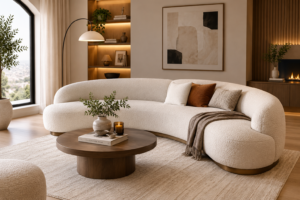
Rounded curved sofa designs soften the straight lines of most rooms. Boucle fabric, with its looped texture, adds a cozy, designer feel. This is one of the biggest sofa trends right now.
- Pros: statement look, encourages conversation.
- Cons: harder to push against a wall, and light boucle can mark easily.
7. Loveseat and Two-Seater Sofa
A loveseat is ideal for studios, bedrooms, reading corners and small living rooms. Many designers pair two loveseats facing each other instead of one big sofa.
8. Sleeper Sofa and Sofa Bed
If you host guests but do not have a spare room, a sofa bed gives you seating by day and a bed by night. Modern versions look like regular sofas, so the sleeping function stays hidden.
9. Recliner Sofa
Recliner sofas are best for family rooms and media rooms. Motorized versions often include USB ports and cup holders. Check the clearance behind the sofa so the back can recline without touching the wall.
10. Modular Sofa
A modular sofa is built from separate blocks you can rearrange. It grows with you: start with two pieces in a small flat, then add more later. It is also easy to move through narrow doors and stairs.
11. Camelback and Tuxedo Sofas
A camelback has a hump in the center of the backrest, giving a classic, elegant silhouette. A tuxedo sofa has arms and back at the same height with straight, sharp lines, giving a smart, tailored look.
12. Sofa with Storage
Hidden storage under the seat or in the chaise is a real help in small homes. It keeps blankets, toys and remotes out of sight.

Quick Comparison: Popular Sofa Types
| Sofa Type | Best For | Room Size | Main Advantage | Main Drawback |
|---|---|---|---|---|
| Sectional | Large families, movie nights | Medium to large | Maximum seating | Needs lots of space |
| L-Shape / Corner | Apartments, open-plan rooms | Small to medium | Uses corners well | Fixed layout |
| Chesterfield | Classic and luxury interiors | Medium to large | Timeless look | Firm and heavy |
| Mid-Century | Modern and small rooms | Small to medium | Light, airy look | Shallow seat on some models |
| Loveseat | Studios, bedrooms, nooks | Small | Compact | Seats only two |
| Modular | Changing needs | Any | Flexible and easy to move | Can cost more |
| Sofa Bed | Guest-friendly homes | Small to medium | Two uses in one | Often less comfortable to sleep on |
Sofa Design Ideas by Interior Style
The best sofa design depends on the overall look of your home. Here is how to match the sofa to your style.
Modern and Contemporary
Choose clean lines, slim arms and neutral shades such as grey, charcoal or beige. A low-back contemporary sofa placed near a large window looks bright and open. Add one accent chair in a bold color for contrast.
Minimalist
Go for a simple, low-profile sofa in white, cream or light grey with no extra detail. Keep the surrounding decor limited: one rug, one coffee table, one plant. In minimalist rooms, the sofa does most of the talking.
Japandi
Japandi mixes Japanese calm with Scandinavian warmth. Look for low sofas with wood frames, linen-style upholstery and earthy tones like sand, olive and warm grey.
Bohemian
Boho sofas are relaxed and layered. Think rattan or cane frames, tan leather, or soft fabrics topped with patterned cushions, woven throws and plenty of plants.
Farmhouse and Rustic
A slipcovered sofa in white or oatmeal, paired with a wooden coffee table and woven baskets, gives a cozy farmhouse feel. Slipcovers can be washed, which is handy for families and pets.
Industrial
Distressed brown or black leather sofas, metal legs and exposed brick work well together. Add a chunky knit throw so the look stays warm.
Luxury and Glam
Deep jewel tones like emerald, sapphire or burgundy in velvet suit a luxurious room. Gold or brass legs and tufted backs add to the effect.
Coastal
White or soft blue sofas, light wood and natural textures such as jute and linen create a breezy seaside mood, even far from the beach.
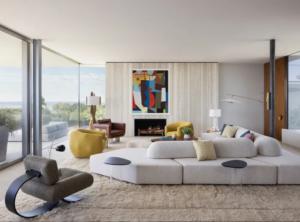
Sofa Ideas for Small Living Rooms
Small rooms need clever choices, not small furniture only. A good small living room sofa should look light and leave floor visible.
Smart Tips for Small Spaces
- Pick slim arms. They save several inches of width without losing seat space.
- Choose raised legs. Seeing the floor under the sofa makes the room feel bigger.
- Go for a lower back. This is especially helpful in rooms with low ceilings.
- Try a loveseat plus an armchair instead of one oversized sofa.
- Use a light color. Pale shades reflect light and feel airy.
- Add storage. A sofa with hidden storage reduces clutter.
- Consider a sofa bed if the living room doubles as a guest room.
Sofa Ideas for Apartments and Studios
In a studio, the sofa often acts as a room divider. Place it with its back to the sleeping area and put a slim console table behind it. A compact two-seater or small L-shaped sofa works well. Modular pieces are great because you can move them through narrow lifts and stairwells.
Best Sofa Colors and Color Combinations
Color sets the mood. Neutral sofas are safe and flexible, while bold ones create a statement. Here is how to decide.
| Sofa Color | Mood | Pairs Well With | Best For |
|---|---|---|---|
| Beige / Cream | Warm, calm | Wood, white walls, green plants | Almost any room |
| Grey | Modern, neutral | Yellow, blue or blush cushions | Contemporary homes |
| White | Fresh, airy | Natural textures, bold art | Bright, adult-only spaces (or with washable covers) |
| Navy Blue | Classic, confident | Tan, white, brass | Living rooms with neutral walls |
| Emerald / Forest Green | Rich, natural | Gold, cream, wood | Statement rooms |
| Tan / Camel Leather | Warm, timeless | Black metal, cream, rust | Industrial, boho, traditional |
| Charcoal / Black | Dramatic, hides dirt | Light rugs, bright cushions | Families with kids or pets |
| Blush / Pastel | Soft, gentle | Grey, gold, white | Light, feminine or vintage rooms |
Should Your Sofa Match the Walls?
Not necessarily. A sofa in a similar shade to the wall gives a calm, layered look. A sofa in a contrasting shade creates a focal point. If you are unsure, pick a neutral sofa and bring in color with cushions, throws and rugs. These are cheap and easy to change when trends move on.
Sofa Fabrics Compared
The fabric affects comfort, cleaning and how long the sofa looks good. Here is a quick comparison of common upholstery options.
| Material | Feel | Durability | Easy to Clean? | Best For |
|---|---|---|---|---|
| Leather | Smooth, ages well | Very high | Wipes clean, needs conditioning | Busy homes, classic looks |
| Velvet | Soft, luxe | Medium to high (performance velvet is best) | Moderate | Statement and glam rooms |
| Linen | Light, casual | Medium | Wrinkles and stains easily | Relaxed, coastal, Scandinavian |
| Cotton Blend | Soft, breathable | Medium | Often has removable covers | Everyday family use |
| Boucle | Textured, cozy | Medium | Can snag and mark | Curved sofas, trend-led rooms |
| Microfiber / Performance Fabric | Smooth, soft | High | Very easy | Kids and pets |
| Faux Leather | Leather-like | Medium (can peel over time) | Easy to wipe | Budget-conscious buyers |
Best Sofa Fabric for Pets and Kids
Choose tightly woven performance fabrics, microfiber or top-grain leather. Avoid loose weaves and delicate boucle, because claws and sticky hands can damage them quickly. Removable, washable covers are a big bonus.

Sofa Size and Layout Guide
Many people fall in love with a sofa and only then realize it does not fit. Use these common interior design guidelines as a starting point. They are rules of thumb, not strict laws, so adjust them to your room.
Standard Sofa Sizes
| Sofa Type | Typical Width | Seats |
|---|---|---|
| Loveseat | 52–65 inches (about 130–165 cm) | 2 |
| Standard 3-Seater | 78–90 inches (about 200–230 cm) | 3 |
| Large 3-Seater / 4-Seater | 90–105 inches (about 230–265 cm) | 3–4 |
| Sectional (L-shape) | 95–130 inches on the long side | 4–6 |
Simple Layout Rules
- Coffee table gap: leave about 14–18 inches (35–45 cm) between the sofa and coffee table so you can reach it but still walk.
- Walkways: keep roughly 30–36 inches (75–90 cm) for main paths.
- TV distance: sit about 1.5 to 2.5 times the screen’s diagonal size away, depending on the TV resolution.
- Conversation: place seating close enough that people can talk without raising their voices.
- Do not push everything against the walls. Floating the sofa a little forward often makes a room feel more designed.
Measure Before You Buy
Measure the room, the doorways, hallways, stair turns and lift. Then mark the sofa size on the floor with painter’s tape. Walk around it for a day. This simple step prevents expensive mistakes. A sofa that runs the full length of a wall can feel heavy, and one that is too small will look lost.
How to Style Your Sofa
Cushions and Throws
Use odd numbers of cushions (three or five) in mixed sizes, for example two 20-inch and one lumbar. Combine solid colors with one pattern and one texture. A soft throw draped over one arm instantly adds warmth, especially on a sharp, structured sofa.
Rugs
The rug should be large enough that at least the front legs of the sofa sit on it. A rug that is too small makes the seating area feel disconnected.
Coffee Table and Side Tables
Match the height of the coffee table to the seat height, or go slightly lower. Add a side table at one end for lamps, drinks and books. For more ideas on filling a room well, read our guide to 75 living room decoration ideas.
Lighting
Place a floor lamp or table lamp near the sofa for reading and mood. Use warm white bulbs for a cozy feel.
Wall Art Above the Sofa
Hang art so its center sits roughly 57–60 inches (145–150 cm) from the floor, and make the artwork about two-thirds the width of the sofa.
Want more accessory ideas? Browse our home accessories category for cushions, curtains and rugs.
Sofa Designs by Budget
| Budget Level | What to Expect | Smart Tips |
|---|---|---|
| Budget | Simple designs, engineered wood frames, polyester or microfiber fabric | Choose a classic shape and neutral color; upgrade with cushions and a throw |
| Mid-Range | Hardwood or mixed frames, better foam, wider fabric choices, some customization | Spend on the frame and cushions; look for removable covers |
| Premium | Kiln-dried hardwood frames, eight-way hand-tied or high-grade suspension, custom sizes and fabrics | Worth it if you plan to keep the sofa for ten years or more |
Prices vary widely by country and brand, so compare several stores, check return policies and ask about warranties on the frame and cushions. Planning a bigger home upgrade? Our construction material and labor cost guides can help you budget the whole project.
What to Check in a Well-Made Sofa
- Frame: kiln-dried hardwood such as oak or beech, with corner blocks and joints that are glued and screwed, not just stapled.
- Suspension: sinuous springs or hand-tied springs rather than basic webbing.
- Cushion fill: high-density foam, often wrapped in feather or fiber for softness.
- Fabric rub rating: a higher double-rub count means better wear resistance for daily use.
- Warranty: a longer frame warranty usually signals confidence in the build.
How to Choose the Right Sofa: Step by Step
- Decide how you will use it. Daily lounging, movie nights, hosting guests, napping or a mix?
- Measure the room and entry points. Include doors, stairs, corners and lifts.
- Set your budget. Include delivery, assembly and any old-sofa removal.
- Pick the shape. Sectional, L-shape, standard three-seater, loveseat or modular.
- Choose the fabric. Think about kids, pets, sunlight and cleaning.
- Select the color. Neutral for flexibility, bold for personality.
- Test the comfort. Sit for at least ten minutes. Check seat depth, back height and arm comfort.
- Check build quality and warranty. Lift one corner; a good frame should not twist or creak.
- Review delivery and returns. Read the policy before you pay.
Common Sofa Buying Mistakes
- Buying without measuring. The most common and costly mistake.
- Choosing looks over comfort. A sofa you do not enjoy sitting on will frustrate you every day.
- Ignoring the room’s scale. An oversized sofa swallows a small room; a tiny one looks lost in a large room.
- Following trends blindly. Trendy colors and shapes date quickly. Keep the sofa classic and let accessories carry the trend.
- Skipping the fabric test. White linen looks beautiful in the shop but may be a nightmare with toddlers or a dog.
- Forgetting the delivery path. Many sofas cannot turn a tight stairwell corner.
- Not checking the frame. Cheap particle board frames can crack or sag.
- Placing a sofa in direct sunlight. UV rays fade many fabrics and dry out leather.
Sofa Design Trends for 2026
Curved and Rounded Silhouettes
Soft edges, rounded arms and half-moon shapes continue to replace hard lines in contemporary homes.
Textured Fabrics
Boucle, chenille, bouclé-style performance weaves and soft velvet are in high demand because they add depth to simple rooms.
Earthy and Warm Colors
Terracotta, olive, mocha, cream and sand are replacing cool greys in many new designs.
Modular and Multi-Functional Sofas
Buyers want pieces that adapt: sofas with storage, sleeper sofas and modular blocks that can change shape.
Sustainable Materials
More brands now offer recycled-fiber fabrics, FSC-certified wood and low-emission foams. If this matters to you, look for third-party certifications from groups such as the Forest Stewardship Council.
Low-Profile Seating
Low sofas with deep seats give a relaxed, lounge-style look that suits modern and Japandi interiors.
Best Practices for Sofa Care
- Rotate and fluff cushions every week so wear stays even.
- Vacuum the seams and under the cushions regularly.
- Treat spills quickly. Blot, do not rub, and check the care label first (codes such as W, S, WS and X tell you whether to use water or solvent-based cleaners).
- Condition leather every six to twelve months, depending on use and room humidity.
- Keep sofas away from direct heat and sun to prevent cracking and fading.
- Use throws or protective covers in high-use areas if you have pets or small children.
Safety Note for Families
If your living room has a tall bookcase, TV stand or dresser near the sofa, anchor it to the wall. The U.S. Consumer Product Safety Commission offers clear guidance on furniture and TV tip-over prevention. Also, check indoor air quality tips from the U.S. EPA if you are buying a new sofa and are sensitive to fumes; letting a new sofa air out in a ventilated room can help.
Expert Insights
From our experience helping readers plan their living rooms, three ideas keep coming up:
- Proportion beats price. A mid-priced sofa that fits the room well looks better than an expensive one that is too big or too small.
- Buy the best base you can afford. The frame and cushion core are hard to change later. Colors and cushions are easy.
- Think in layers. The sofa, rug, lighting and accessories should work together, not compete.
Professional designers quoted by outlets like Livingetc also suggest building the rest of the room around the sofa, so that size and scale of other pieces support it.
Real-Life Examples
- Small London flat: a two-seater with slim arms and raised legs, plus a round coffee table, keeps the floor open.
- Family home in the U.S.: a large sectional in performance fabric and a storage ottoman handle kids, snacks and weekend movies.
- Toronto condo: a modular sofa moves easily through the lift and can be rearranged for guests.
- Milan apartment: a curved boucle sofa with a travertine-style coffee table delivers an elegant, Italian-inspired look.
- Sydney home: a linen-look sofa in sand tones with rattan accents suits the bright, relaxed coastal style.
Frequently Asked Questions About Sofa Design Ideas
What are the best sofa design ideas for a living room?
The best sofa design ideas include modular sectionals, mid-century modern sofas, curved boucle sofas, Chesterfields and low-profile contemporary sofas. The right choice depends on your room size, lifestyle and style. Measure first, pick a durable fabric and choose a color that works with your decor.
What is the most popular sofa style right now?
Curved sofas, modular sofas and textured fabrics like boucle and velvet are very popular. Neutral colors such as cream, beige and warm grey remain the safest choices.
What sofa works best for a small living room?
A loveseat or compact two-seater with slim arms, raised legs and a low back works best. Light colors and hidden storage help small rooms feel larger and tidier.
How do I choose the right size sofa?
Measure your room, doorways and stairs. Mark the sofa’s footprint on the floor with tape. Leave around 30–36 inches for walkways and about 14–18 inches between the sofa and coffee table.
What is the best sofa color that never goes out of style?
Neutral shades like beige, cream, grey and tan leather are the most timeless. They work with many wall colors and decor styles, and you can add bold colors with cushions and throws.
Which sofa fabric is the most durable?
Top-grain leather and performance fabrics are among the most durable. Tightly woven microfiber also wears well. For households with kids or pets, choose stain-resistant, easy-clean upholstery.
Is a sectional sofa better than a regular sofa?
A sectional is better for large families and entertaining because it seats more people and offers lounging space. A regular sofa is better for small rooms or if you like to rearrange often.
How long should a good sofa last?
A well-made sofa with a hardwood frame and high-density foam can last 10 to 15 years or more with proper care. Budget sofas often last fewer years, depending on use.
What is the difference between a sofa and a couch?
In everyday use, the words mean the same thing. “Sofa” can sound slightly more formal, while “couch” is more casual. Both describe an upholstered seat for two or more people.
How far should a sofa be from the wall?
In a large room, floating the sofa 6–12 inches off the wall can look better and make the room feel more designed. In small rooms, placing it against the wall saves space.
Should my sofa match my curtains and rug?
No. They should coordinate, not match exactly. Use the same color family or complementary tones, and vary textures and patterns for a richer look.
Where can I find more living room decor ideas?
Check our guides on room decoration ideas and home decoration for tips on every room.
Conclusion
Choosing from the many sofa design ideas available does not have to be overwhelming. Start with how you use your living room, measure carefully and pick a shape that suits your space. Then choose a durable fabric, a color you will enjoy for years and a frame built to last. Finish the look with layered cushions, a good rug and warm lighting.
A great sofa is not about following every trend. It is about comfort, proportion and a design that feels like home. Take your time, test before you buy and enjoy creating a living room you love. For more inspiration, explore our living room decoration ideas and home accessories guides.

Published by the EzHomeAura editorial team. Prices and dimensions in this guide are general planning figures; always confirm current details with the retailer.
By the EzHomeAura Editorial Team · Last updated: October 2026 ·