
Table of Contents
- Why Lighting, Fans, and AC Belong in the Same Conversation
- Home Lighting Ideas for 2026
- Ceiling Fan Decoration Ideas
- Air Conditioner Decoration & Disguise Ideas
- Room-by-Room Combination Guide
- Comparison Tables: Making the Right Choice
- Pros and Cons of Popular Options
- Best Practices for a Cohesive Look
- Common Mistakes to Avoid
- Energy-Saving Tips That Also Look Good
- Expert Insights
- Frequently Asked Questions
- Conclusion
Why Lighting, Fans, and AC Belong in the Same Conversation
Most home decor content treats lighting, ceiling fans, and air conditioning as separate categories but in real homes, they occupy the same visual space. A ceiling fixture often combines a fan and a light. A window unit sits directly beneath your curtains. A living room’s ambiance depends on how warm or cool your bulbs are and how quietly your fan spins and whether your AC unit is a design feature or an eyesore.
Treating them together also makes practical sense for your wallet. Lighting, fans, and air conditioning are your three biggest year-round energy users after heating. Getting the styling right at the same time you optimize efficiency means one renovation pass instead of three.
Home Lighting Ideas for 2026
Lighting is the fastest, cheapest way to transform any room. In 2026, the biggest shift is away from a single overhead bulb and toward layered lighting combining ambient, task, and accent light sources so a room can adapt to different moods and activities throughout the day.
Understand the Three Layers of Lighting
- Ambient lighting the main light source in a room (ceiling fixture, recessed lighting, or a fan with an integrated light kit).
- Task lighting focused light for specific activities: reading lamps, under-cabinet kitchen lights, desk lamps.
- Accent lighting decorative light that highlights art, shelving, or architectural features, such as LED strip lighting along a tray ceiling or behind a headboard.
Layering these three creates depth and warmth that a single overhead bulb never can professionally designed spaces increasingly balance ambient, task, decorative, and architectural light layers rather than relying on one source.
Choosing the Right Color Temperature
Color temperature is measured in Kelvin (K), and it dramatically changes how a room feels:
- 2700K–3000K (warm white): Cozy, relaxing best for bedrooms, living rooms, and dining areas.
- 3500K–4100K (neutral white): Balanced good for kitchens and bathrooms.
- 5000K+ (cool/daylight white): Energizing and crisp best for home offices, garages, and workspaces.
Smart Lighting for Home Automation
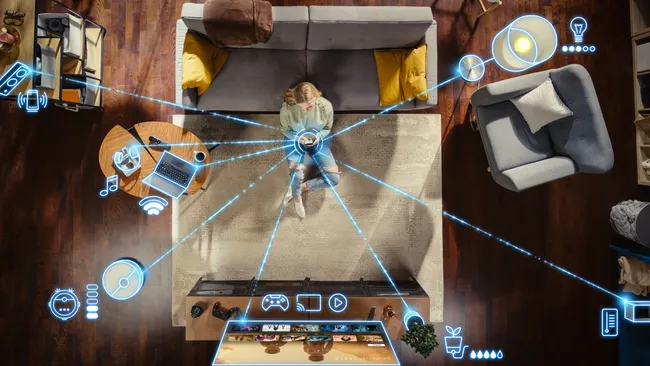
Smart bulbs and switches now integrate directly with Alexa, Google Assistant, and Siri, letting you schedule lighting, dim remotely, or sync color changes with your daily routine. In 2026, circadian-rhythm lighting bulbs that shift from warm to cool automatically through the day has become an affordable, mainstream option rather than a luxury add-on.
Statement Lighting Fixtures
Pendant lights, sculptural chandeliers, and colorful lampshades are trending as functional art pieces in 2026. Designers are increasingly treating lighting as a vehicle for color and self-expression rather than a purely functional element, using bold lampshade prints, sculptural bases, and mismatched textures to create eye-catching focal points.
Budget-Friendly Lighting Upgrades
- Swap a plain lampshade for a patterned or colored one (under $30).
- Add a plug-in wall sconce no electrician required.
- Use battery-powered LED strip lights under cabinets or behind furniture.
- String fairy lights along a headboard or mantel for instant ambiance.
Ceiling Fan Decoration Ideas
A ceiling fan is no longer just a summer cooling tool in 2026, it’s a design centerpiece. Lighting and ceiling fans have moved from background function into the spotlight as design elements that define an entire space, with sculptural blade designs, natural materials, and smart features all playing a role.
Modern Ceiling Fan Styles
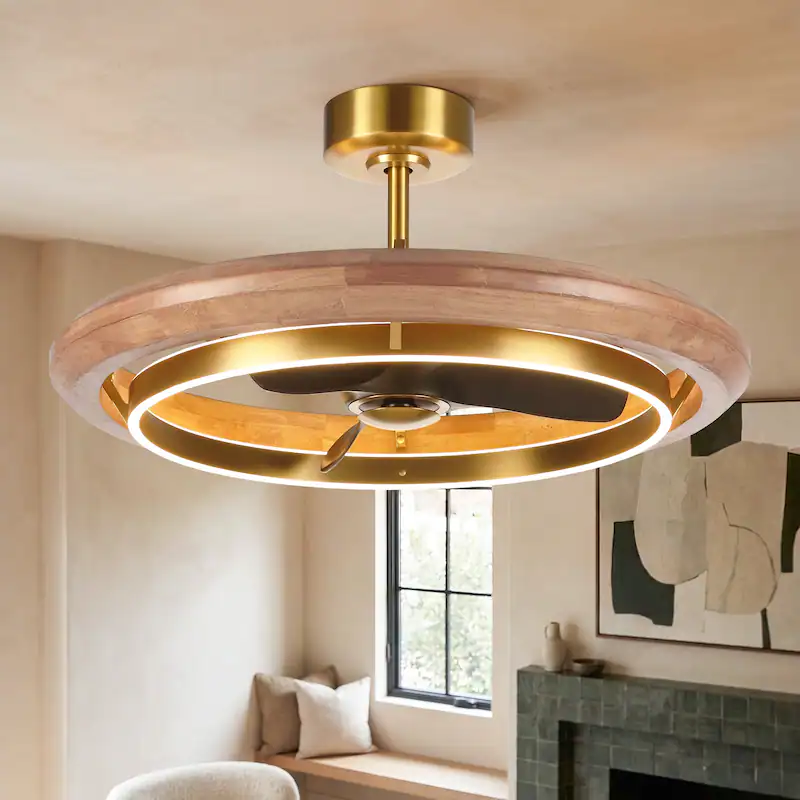
- Fandeliers: Chandelier-style fans with retractable blades and dimmable LED lighting ideal for bedrooms and hallways where you want elegance without an obvious “fan” look.
- Minimalist DC fans: Slim profiles, quiet motors, and finishes that blend into modern and Scandinavian-style interiors.
- Natural material blades: Reclaimed wood, woven rattan, and stone-textured finishes that soften and diffuse light while adding warmth to a room.
DC Motor vs. AC Motor Fans
One of the biggest shifts in ceiling fan technology is the move to DC (direct current) motors. DC-motor ceiling fans can use up to 75% less energy than traditional AC-motor fans while running quieter and offering more speed settings. Pairing this with an ENERGY STAR-certified model can mean significantly lower utility bills — ENERGY STAR-certified ceiling fans are up to 60% more efficient than conventional models, according to the U.S. Department of Energy.
Smart Ceiling Fans
Smart fan control has moved from a premium add-on to an expected baseline in 2026, with most models supporting remote control, smartphone apps, and voice assistants like Alexa, Google Assistant, and Siri. This lets you schedule fan speed, sync it with your thermostat, or turn it on before you even walk into the room.
Ceiling Fan Direction: Summer vs. Winter
Most people don’t realize their ceiling fan has a reverse switch for a reason:
- Summer (counterclockwise): Creates a downdraft that cools you through a wind-chill effect.
- Winter (clockwise, low speed): Pulls cool air up and redistributes warm air trapped near the ceiling, helping your heating system work less hard.
Choosing the Right Fan Size for Your Room
| Room Size | Recommended Fan Blade Span |
|---|---|
| Up to 75 sq ft (small bedroom/office) | 29–36 inches |
| 76–144 sq ft (bedroom, den) | 36–42 inches |
| 145–225 sq ft (living room, master bedroom) | 44–50 inches |
| 226–400 sq ft (great room, open-plan living) | 50–60+ inches |
Installation Tips
For 9-foot ceilings and up, use a downrod so the fan sits at the ideal 8–9 feet from the floor for the best airflow. Always check whether you need a damp-rated fan (covered patio) or wet-rated fan (fully exposed to rain) for outdoor installations an indoor-only fan used outdoors can void your warranty and damage the motor.
Air Conditioner Decoration & Disguise Ideas
Window units, portable ACs, and mini-split systems are often the hardest home feature to decorate around because unlike lighting or fans, most people didn’t choose their AC unit for its looks. The good news: there are proven, professional-designer-approved ways to soften or completely disguise an AC unit without hurting its performance.
Indoor Window & Portable AC Unit Ideas
- Café curtains: Short curtains hung just above the unit hide it while leaving airflow and natural light unaffected, and can be pulled aside seasonally.
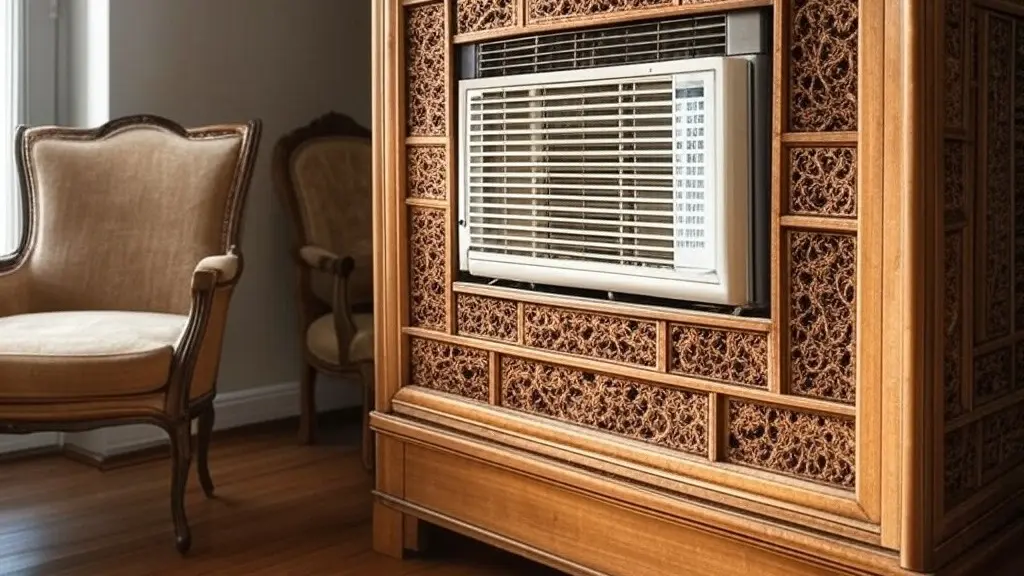
- Wooden lattice covers: A slatted wood frame lets air circulate freely while breaking up the visual bulk of the unit paint or stain it to match your walls for a near-invisible effect.
- Repurposed radiator covers: Designed originally to hide heaters, these covers work just as well over a portable AC hose and unit, as long as you pick a style with enough ventilation.
- Built-in bookshelf integration: A bookshelf with an open boxy space around the unit paired with a decorative wood vent cover draws the eye to the shelving instead of the appliance.
- Wallpaper camouflage: For boxier mini-split units, some designers apply peel-and-stick wallpaper directly to the unit’s removable front panel and surrounding wall so it blends into the room. This technique works well on boxier units but isn’t recommended for curved mini-splits, and it’s worth checking your AC’s safety guidance before applying anything to the unit itself.
- Room dividers or trifold screens: A rattan or fabric screen placed in front of a window unit offers an easy, movable way to hide it ideal for renters.
Outdoor Condenser Unit Ideas
- Lattice or slatted wood screens: Allow the condenser to breathe while hiding it from view keep at least 12 inches of clearance for proper airflow.
- Living or faux green walls: A vertical garden (real or artificial) can conceal an outdoor unit while adding a design feature to a patio.
- Fenced enclosures with an access door: A simple box-style enclosure with a hinged door keeps the unit accessible for HVAC technicians while hiding it from the yard view.
- Climbing plants or tall ornamental grasses: Keep plants at least a couple of feet from the unit, since the condenser releases heat and needs airflow space.
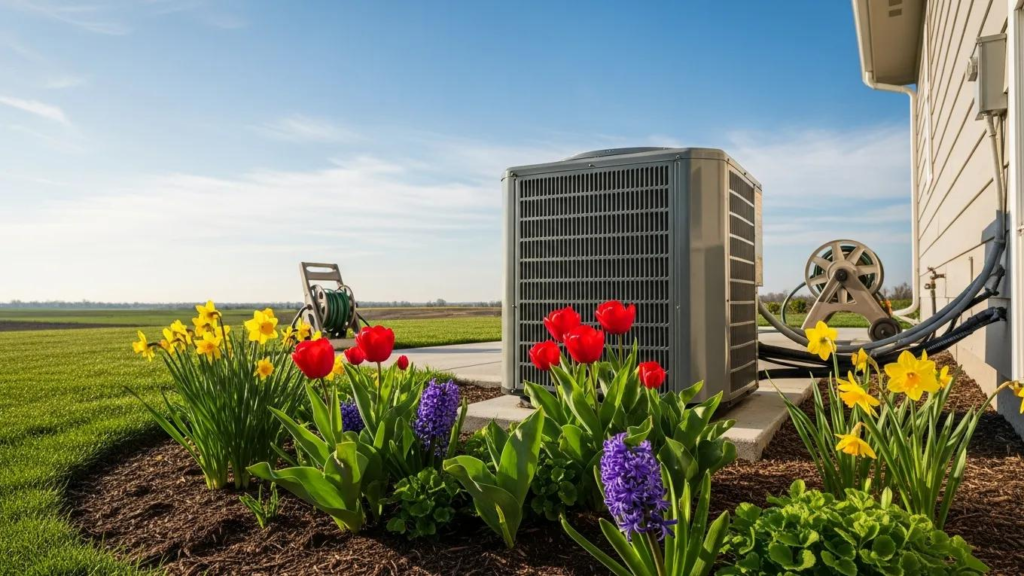
A faux or living green wall conceals an outdoor condenser while adding a design feature to your patio.
Important Safety Note
Whatever cover or disguise method you choose, never fully enclose an AC unit or block its vents. Both indoor and outdoor units need clear airflow to function safely and efficiently a blocked unit can overheat, work harder than necessary, and shorten its lifespan. Always leave gaps for ventilation and keep the unit accessible for maintenance.
Room-by-Room Combination Guide
Living Room
Pair a fandelier or DC ceiling fan with warm 2700K ambient lighting, add a floor lamp for evening reading, and if you have a window or mini-split unit, use a lattice cover or bookshelf integration to keep the room’s focal point on your furniture, not the appliance.
Bedroom
Use a quiet DC motor fan (bedrooms need low noise more than any other room), warm 2700K bulbs on a dimmer, and if there’s a window AC unit, café curtains are the easiest low-cost fix that won’t block airflow at night.
Kitchen
Layer bright 3500K–4000K task lighting under cabinets with a neutral ambient ceiling fixture. Kitchens rarely need decorative AC covers since most use central or ducted systems, but ventilation and range-hood lighting matter here more than anywhere else in the home.
Home Office
Cool 5000K task lighting reduces eye strain and boosts alertness during work hours. A small, quiet DC fan helps with airflow without noise distraction, and if a portable AC is in use, a radiator-style cover keeps the space looking professional for video calls.
Comparison Tables: Making the Right Choice
DC Motor vs. AC Motor Ceiling Fans
| Feature | DC Motor Fan | AC Motor Fan |
|---|---|---|
| Energy use | Up to 75% less energy | Higher energy draw |
| Noise level | Quieter | Louder at higher speeds |
| Speed settings | More granular control | Fewer speed steps |
| Price | Higher upfront cost | Lower upfront cost (entry-level under $150) |
| Best for | Long-term savings, smart homes | Budget projects, low-use rooms |
Window AC vs. Portable AC vs. Mini-Split System
| Type | Ease of Decorating Around | Best Use Case |
|---|---|---|
| Window unit | Easy — curtains, screens, lattice work well | Renters, single-room cooling |
| Portable unit | Moderate — needs hose access, radiator-style covers work well | Flexible/temporary cooling, no permanent install |
| Mini-split (ductless) | Harder — wall-mounted, boxier units can use wallpaper/paint tricks | Whole-room, energy-efficient, permanent installs |
Warm vs. Cool Lighting for Different Rooms
| Color Temperature | Feeling | Best Rooms |
|---|---|---|
| 2700K–3000K | Cozy, relaxing | Bedroom, living room |
| 3500K–4100K | Balanced, neutral | Kitchen, bathroom |
| 5000K+ | Energizing, crisp | Home office, garage |
Pros and Cons of Popular Options
Smart Lighting
Pros: Remote/voice control, scheduling, energy savings, mood customization.
Cons: Higher upfront cost, requires Wi-Fi/app setup, some bulbs need a compatible hub.
Fandeliers
Pros: Elegant, dual-purpose (light + fan), great for rooms where a plain fan feels out of place.
Cons: Pricier than standard fans, retractable blades add mechanical complexity.
Wooden Lattice AC Covers
Pros: Inexpensive, DIY-friendly, allows airflow, customizable paint/stain.
Cons: Requires basic building skills, needs periodic dusting/cleaning for airflow.
Best Practices for a Cohesive Look
- Match fan and light fixture finishes to existing hardware (door handles, faucets) for a cohesive room.
- Always layer at least two lighting types (ambient + one accent or task source) in main living spaces.
- Choose fan size based on room square footage, not just aesthetic preference.
- When disguising an AC unit, prioritize airflow first, appearance second a beautiful cover that blocks vents defeats the purpose.
- Use dimmers wherever possible; they instantly make any fixture feel more premium and adaptable.
Common Mistakes to Avoid
- Choosing a fan that’s too small or too large for the room, which hurts both airflow and appearance.
- Fully sealing an AC cover with no ventilation gaps, causing the unit to overheat or underperform.
- Relying on a single overhead light instead of layering ambient, task, and accent lighting.
- Ignoring color temperature and using cool white bulbs in a bedroom, which can make the space feel clinical rather than cozy.
- Placing plants or furniture too close to an outdoor condenser, restricting the airflow it needs to release heat.
Energy-Saving Tips That Also Look Good
- Switch to LED bulbs across all fixtures they use a fraction of the energy of incandescent bulbs and last far longer.
- Use your ceiling fan’s seasonal direction switch to reduce reliance on heating and cooling systems.
- Choose ENERGY STAR-certified fans and AC units where possible for lower long-term utility costs.
- Pair smart thermostats with smart fans so your AC doesn’t have to work as hard to maintain comfort.
- If you’re exploring whole-home energy upgrades, solar panels can offset the electricity cost of running lighting, fans, and AC systems together worth exploring once your fixtures are optimized.
Expert Insights
“The right spot for your AC unit is vital to strike a balance between how it works and how it looks. Smart positioning helps the unit blend into your overall design rather than fight against it.” paraphrased from professional HVAC and interior design guidance
“A real warranty and proper motor/LED coverage matter as much as style when choosing a modern ceiling fan efficiency and longevity are part of good design.” paraphrased from ceiling fan industry buying guidance
Frequently Asked Questions
1. What is the best color temperature for living room lighting?
Warm white (2700K–3000K) is best for living rooms, as it creates a cozy, relaxing atmosphere ideal for everyday living and entertaining.
2. How do I choose the right ceiling fan size for my room?
Measure your room’s square footage: under 75 sq ft needs a 29–36 inch fan, 76–144 sq ft needs 36–42 inches, 145–225 sq ft needs 44–50 inches, and larger open-plan rooms need 50+ inches.
3. Which direction should my ceiling fan spin in summer?
Counterclockwise in summer creates a cooling downdraft. Switch to clockwise at low speed in winter to redistribute warm air trapped near the ceiling.
4. How can I hide my window air conditioner without blocking airflow?
Use café curtains hung above the unit, a slatted wooden lattice cover, or a trifold room divider all of these allow air to circulate freely while visually softening the unit.
5. Are DC motor ceiling fans worth the extra cost?
Yes, for most households. DC motor fans can use significantly less energy than AC motor fans, run quieter, and offer more precise speed control, which often pays back the higher upfront cost over time.
6. Can I paint or wallpaper over my mini-split AC unit?
Some flat-fronted mini-split units can be wallpapered on their removable front panel, but curved units are not suitable for this technique. Always check your manufacturer’s safety guidance first.
7. What’s the difference between ambient, task, and accent lighting?
Ambient lighting is a room’s main light source, task lighting is focused light for specific activities like reading or cooking, and accent lighting highlights decorative or architectural features.
8. Do smart ceiling fans work with Alexa and Google Assistant?
Most 2026 smart ceiling fans support Wi-Fi connectivity and integrate directly with Alexa, Google Assistant, and Siri for voice control and scheduling.
9. How much clearance does an outdoor AC condenser need from plants or covers?
Keep at least 12 inches to a couple of feet of clearance around an outdoor condenser to ensure it can properly vent heat and avoid overheating.
10. Is it better to use LED strip lighting or a single ceiling fixture in a bedroom?
A combination is ideal a dimmable ambient ceiling fixture (or fan light kit) paired with LED accent strips behind a headboard or along a ceiling cove creates the layered, cozy effect most bedrooms benefit from.
11. How do I know if my ceiling fan needs a downrod?
If your ceiling is 9 feet or higher, a downrod helps lower the fan to the ideal 8–9 feet from the floor, which improves airflow performance.
Conclusion
Lighting, ceiling fans, and air conditioning don’t have to be the “leftover” decisions in a home makeover. When you plan them together matching finishes, layering light sources, choosing efficient motors, and thoughtfully disguising AC units without blocking airflow every room in your home becomes more comfortable, more efficient, and more visually cohesive. Start with one room, apply these ideas, and you’ll likely find the rest of your home follows naturally.
1 thought on “Lighting, Fans & AC Decoration Ideas 2026: The Complete Home Styling Guide”