If you’re planning to go solar, one thing separates a system that pays for itself for 25+ years from one that becomes a costly headache: the quality of the electrical installation and ongoing maintenance. Solar panels get all the attention, but it’s the wiring, the inverter setup, the grounding, the breaker sizing, and the seasonal upkeep behind the scenes that actually determine whether your solar system is safe, efficient, and long-lasting.In this guide, we’re covering everything a homeowner in the USA, UK, Canada, Australia, Italy, and across Europe needs to know about solar electrical installation, a complete solar panel maintenance checklist, the electrical codes and permits involved, real cost breakdowns, the most common (and expensive) mistakes people make and because this is EzHomeAura, we’re also showing you how to make your solar setup look good with practical solar system decoration ideas that hide unsightly wiring, dress up meter boxes, and turn your rooftop array into a design feature instead of an eyesore.
Table of Contents
- 1. What Is a Home Solar Electrical System?
- 2. Why Proper Electrical Installation Matters
- 3. Step-by-Step Solar Electrical Installation Process
- 4. Complete Solar System Maintenance Guide
- 5. Common Electrical Mistakes That Damage Solar Systems
- 6. Cost Breakdown: Installation & Maintenance
- 7. Solar System Decoration Ideas
- 8. Pros and Cons of Home Solar Electrical Systems
- 9. Best Practices for Long-Term Performance
- 10. Key Takeaways
- 11. Frequently Asked Questions
- 12. Conclusion
1. What Is a Home Solar Electrical System?
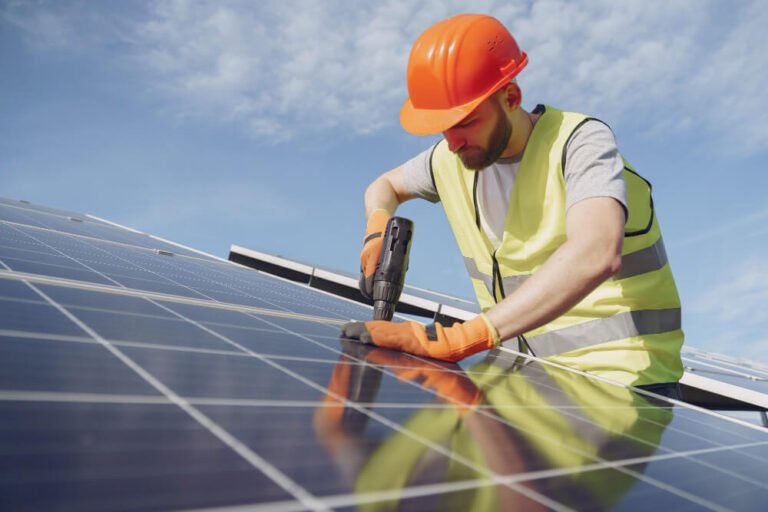
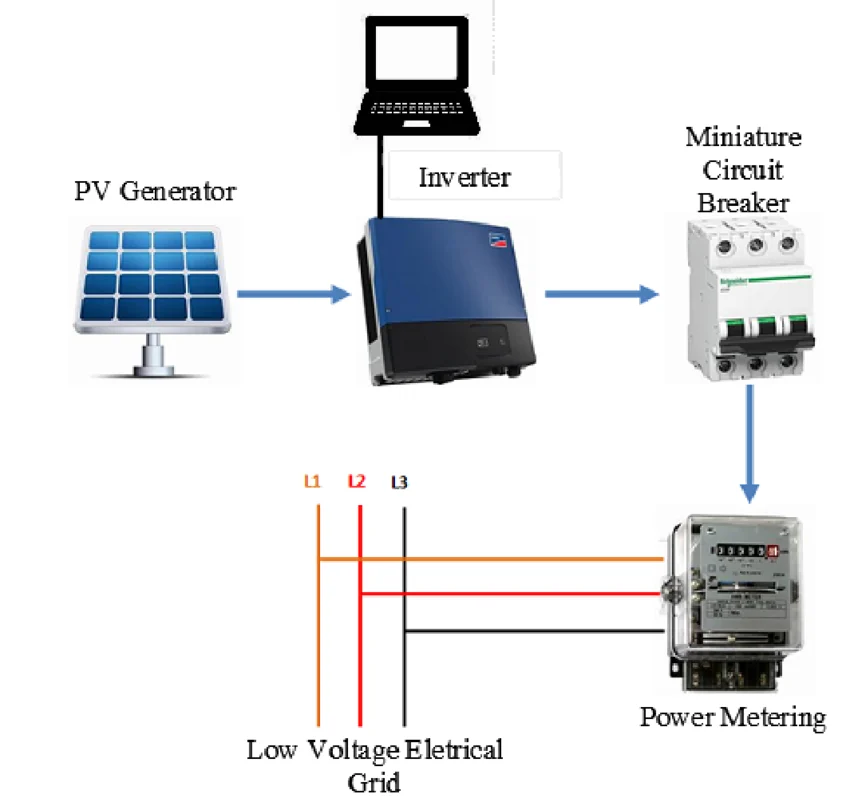
A home solar electrical system is far more than the panels bolted to your roof. It’s a complete chain of electrical components working together to convert sunlight into usable household power, store it when needed, and safely connect it to your home’s wiring and in most cases, to the public utility grid.
Key Components Explained
- Solar (PV) panels: Photovoltaic modules made of silicon cells that convert sunlight into direct current (DC) electricity.
- Solar inverter: Converts DC electricity from the panels into alternating current (AC), the type of power your home appliances use. String inverters, microinverters, and hybrid inverters are the three main types.
- Charge controller: Regulates voltage and current flowing into a battery bank, preventing overcharging.
- Solar battery / battery bank: Stores excess energy for use at night or during outages (lithium-ion is now the industry standard).
- Racking and mounting system: The structural hardware that secures panels to a roof or ground mount.
- Main service panel and breakers: Where the solar circuit connects to your home’s existing electrical panel, protected by dedicated circuit breakers sized to code.
- Net meter: Tracks electricity you export to and import from the grid, enabling net metering credits.
- Disconnect switches and rapid shutdown devices: Required safety components that allow firefighters and technicians to instantly de-energize the system.
- Grounding and bonding equipment: Protects the system and your home from electrical faults and lightning-induced surges.
How Solar Electricity Powers Your Home
Understanding the three main system architectures helps you make smarter decisions during installation and maintenance planning.
Grid-Tied Systems
The most common and affordable setup. Your solar system connects directly to the utility grid through your electrical panel. Excess power is exported for net-metering credit; at night, you draw from the grid. No battery is required, which keeps installation and maintenance simpler.
Off-Grid Systems
Fully independent of the utility grid, relying entirely on solar panels and battery storage. These require larger battery banks, a backup generator in many climates, and considerably more complex electrical design and maintenance.
Hybrid Systems
Combine grid connection with battery backup, giving you resilience during outages while still allowing net metering. Hybrid inverters and battery management systems add extra wiring and maintenance points but offer the best of both worlds for homeowners in storm-prone or high-outage regions.
2. Why Proper Electrical Installation Matters
Solar panels themselves are remarkably durable most carry 25-year performance warranties. The electrical installation around them is where the real risk lives. A poorly executed installation doesn’t just underperform; it can start fires, void your home insurance, damage your inverter, or put your family at risk of electric shock.
Safety Risks of DIY or Improper Installation
- Arc faults: Loose or improperly crimped DC connectors are the leading cause of rooftop solar fires.
- Overloaded circuits: Undersized breakers or wiring that isn’t rated for the system’s amperage can overheat.
- Improper grounding: Increases the risk of electric shock and equipment damage during power surges or lightning strikes.
- Missing rapid shutdown compliance: Many regions now legally require rapid shutdown devices so panels de-energize within seconds during an emergency a lifesaving requirement for first responders.
- Water ingress in junction boxes: Poor sealing leads to corrosion, short circuits, and costly repairs.
Electrical Codes and Permit Requirements
Every country and region has its own solar electrical standards, and skipping permits is one of the most common and expensive mistakes homeowners make.
- United States: Installations must comply with the National Electrical Code (NEC), specifically Article 690 (Solar Photovoltaic Systems) and Article 705 (Interconnected Electric Power Production Sources). Local Authority Having Jurisdiction (AHJ) permits and inspections are mandatory.
- United Kingdom: Solar PV installations must follow BS 7671 wiring regulations and, in most cases, be installed by an MCS (Microgeneration Certification Scheme) certified installer to qualify for the Smart Export Guarantee.
- Canada: Governed by the Canadian Electrical Code (CSA C22.1) alongside provincial utility interconnection standards.
- Australia: Must meet AS/NZS 5033 (installation) and AS/NZS 4777 (grid connection) standards, installed by a Clean Energy Council (CEC) accredited installer to access government rebates.
- Italy & the EU: Regulated under CEI 0-21 standards for grid-connected systems, with installation typically requiring a licensed electrician registered with the local Chamber of Commerce.
Benefits of Professional Installation
A licensed solar electrician doesn’t just bolt on panels they calculate load requirements, select correctly rated wiring and breakers, ensure code-compliant grounding, and file the paperwork needed for permits, inspections, and utility interconnection. This is also what keeps most manufacturer and workmanship warranties valid, since many voids apply automatically to self-installed systems.
3. Step-by-Step Solar Electrical Installation Process
Step 1: Site and Electrical Load Assessment
A qualified installer reviews your last 12 months of utility bills to calculate average and peak electricity usage, assesses roof orientation, shading, and structural load capacity, and inspects your existing electrical panel to confirm it can handle the additional solar circuit (or needs an upgrade, commonly called a panel upgrade or “busbar” fix).
Step 2: System Design and Component Selection
Based on your energy usage, the installer designs a system sized in kilowatts (kW), selects panel wattage and quantity, chooses between string inverters and microinverters, and decides whether battery storage is included. This stage also determines wire gauge, conduit routing, and breaker sizing.
Step 3: Mounting and Racking Installation
Roof anchors or ground-mount footings are installed and sealed against water intrusion, followed by the racking rails that will hold the panels at the optimal tilt angle (typically matching your latitude, adjusted seasonally where possible).
Step 4: Panel Wiring and DC Electrical Connections
Panels are wired in series (strings) or connected individually via microinverters. This step uses UV-resistant, weatherproof solar cabling and MC4 connectors, all properly torqued and secured to prevent arc faults one of the most safety-critical parts of the entire installation.
Step 5: Inverter and Battery Installation
The inverter is mounted in a shaded, ventilated location (garage or exterior wall), wired to the DC input from the panels and the AC output toward your electrical panel. If included, batteries are installed nearby with their own dedicated disconnects and battery management system (BMS) wiring.
Step 6: Grid Connection and Net Metering Setup
A certified electrician connects the system to your main service panel through a dedicated breaker, installs the required production/net meter, and coordinates with your utility company for Permission to Operate (PTO) a legal requirement before the system can be switched on in most regions.
Step 7: Inspection, Testing, and Commissioning
Before going live, the system undergoes continuity testing, insulation resistance testing, and a full functional test of the rapid shutdown and disconnect systems. Local building or electrical inspectors typically sign off before permission to operate is granted.
4. Complete Solar System Maintenance Guide
One of the biggest myths in residential solar is that panels are “install it and forget it.” While solar systems require far less maintenance than a furnace or HVAC system, neglecting the electrical side can quietly cut your energy output by 10–25% over a few years.
Daily and Weekly Checks (2 Minutes, No Ladder Required)
- Glance at your inverter display or monitoring app for error codes or unusually low output.
- Check for visible shading from new tree growth or debris.
- Confirm the inverter’s status light is green/normal, not flashing red or amber.
Seasonal Maintenance Checklist
Spring
Inspect for winter storm damage, clear pollen and tree debris buildup, and check that gutters near roof-mounted arrays are clear so water drains away from wiring conduits.
Summer
Verify ventilation around the inverter isn’t blocked (excess heat reduces efficiency and lifespan), monitor for performance dips during peak sun hours, and check battery temperature if you have a hybrid system.
Fall
Clear fallen leaves before they compact into panel seams, schedule your annual professional inspection, and check exposed cable insulation for UV degradation before winter.
Winter
Safely remove heavy snow buildup only with a soft roof rake (never a shovel or hot water, which can crack cold glass), watch for ice dams near roof penetrations, and monitor for reduced output from shorter daylight hours versus an actual system fault.
Cleaning Best Practices
Most homeowners only need to clean panels 2–4 times a year unless in a high-dust, coastal (salt spray), or agricultural area. Use a soft brush or squeegee with deionized water avoid abrasive tools, high-pressure washers, or cold water on hot panels, which can cause micro-cracking.
Inverter and Battery Maintenance
- Keep the inverter area free of dust, insulation debris, and pests.
- Check and log error codes rather than ignoring them; recurring codes often signal a failing capacitor or loose DC connection.
- For lithium battery banks, avoid consistently draining below 20% capacity and keep the storage area within the manufacturer’s recommended temperature range.
- Have terminals and connections professionally re-torqued every 3–5 years, since thermal cycling can loosen electrical connections over time.
When to Call a Professional Electrician
- Inverter shows persistent fault codes or shuts down repeatedly.
- You notice a burning smell, discoloration, or melted insulation near any junction box.
- Energy production drops more than 20% without an obvious cause like shading or weather.
- Any work involving the DC wiring, breaker panel, or battery connections this is not a DIY zone.
- Every 3–5 years for a full system health check, thermal imaging scan, and connection torque check.
5. Common Electrical Mistakes That Damage Solar Systems
- Skipping permits and inspections to save time or money this can invalidate insurance and utility interconnection agreements.
- Undersized wiring or breakers that overheat under full system load.
- Poor grounding and bonding, leaving the system vulnerable to surge damage.
- Mounting the inverter in direct sun or an unventilated space, drastically shortening its lifespan.
- Ignoring monitoring app alerts until a small fault becomes an expensive repair.
- Mixing incompatible battery brands or firmware versions in hybrid systems.
- Using pressure washers or hot water to clean panels, causing thermal shock and micro-fractures.
- DIY rewiring without an electrician, which is illegal in most jurisdictions for grid-tied systems and voids warranties.
6. Cost Breakdown: Installation and Maintenance
| Region | Avg. Installation Cost (per system) | Annual Maintenance Cost | Typical Payback Period |
|---|---|---|---|
| United States | $17,000 – $23,000 (before incentives) | $150 – $400 | 6 – 10 years |
| United Kingdom | £6,000 – £12,000 | £80 – £200 | 8 – 12 years |
| Canada | CAD $16,000 – $25,000 | CAD $150 – $350 | 9 – 13 years |
| Australia | AUD $5,000 – $10,000 | AUD $150 – $300 | 3 – 5 years |
| Italy / EU average | €5,500 – €11,000 | €100 – €250 | 6 – 9 years |
Note: Figures are general market estimates for a typical residential rooftop system (roughly 5–8kW) and will vary by system size, local incentives, labor rates, and battery inclusion. Always request itemized quotes from at least three licensed installers.
7. Solar System Decoration Ideas: Blending Function with Style
This is where EzHomeAura’s decor expertise comes in. A solar electrical system doesn’t have to look like an industrial add-on. With a little planning, you can integrate panels, wiring, and equipment into your home’s overall aesthetic.
Rooftop Panel Aesthetics
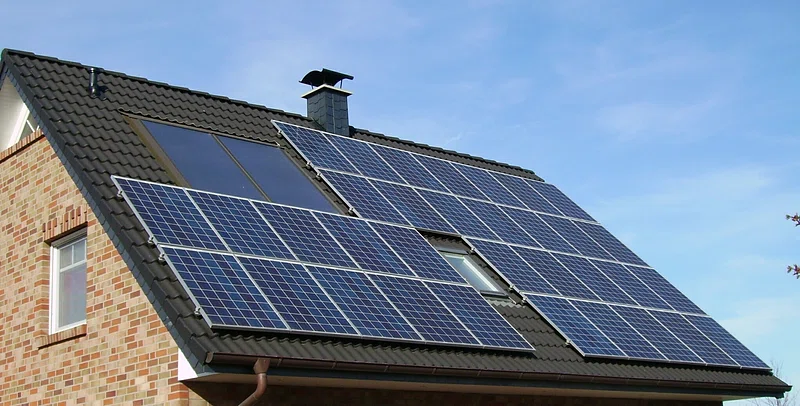
Choose all-black, low-profile “full black” panels for a sleeker, more uniform roofline instead of traditional silver-framed panels with visible white backsheets. In-roof (integrated) solar tiles are a premium option that replace traditional roofing material entirely for a near-invisible finish.
Indoor Electrical Panel and Meter Box Decoration Ideas
- Install a slim, hinged wooden cabinet door or framed art panel over an indoor electrical subpanel in a hallway or garage.
- Paint utility boxes to match wall color, or use removable vinyl wraps designed for electrical enclosures.
- Use a decorative woven screen or slatted wood panel to visually separate the utility area from living spaces without blocking ventilation or access.
Outdoor Inverter and Battery Enclosure Styling
Build a simple louvered wooden or composite screen around exterior inverters and battery cabinets — louvers maintain the airflow these components need while hiding the equipment from view. Match the screen material to your fence or siding for a cohesive look, and always keep manufacturer-recommended clearance space for heat dissipation and technician access.
Smart Home Integration for a Modern Look
Pair your solar system with a smart energy monitor displayed on a wall-mounted tablet or a minimalist dashboard, turning a purely technical function into a stylish, visible feature of a modern smart home — similar to how a Nest thermostat became a design element rather than just hardware.
Landscaping Around Ground-Mounted Solar Arrays
Use low-growing native ground cover or gravel beds beneath ground-mounted panels to prevent weed overgrowth and improve airflow. Frame the array with ornamental grasses or a low hedge on the non-sun-facing side to soften the industrial look without casting shade on the panels.
Solar-Powered Decorative Lighting
Extend the solar theme into your outdoor decor with solar pathway lights, solar string lights for patios and pergolas, and solar-powered accent lighting for garden features a budget-friendly way to tie your renewable energy investment into your home’s overall design story.
8. Pros and Cons of Home Solar Electrical Systems
| Pros | Cons |
|---|---|
| Significantly reduces monthly electricity bills | High upfront installation cost |
| Increases home resale value in most markets | Requires roof space with good sun exposure |
| Reduces carbon footprint and reliance on fossil fuels | Performance depends on weather and geographic location |
| Long manufacturer warranties (typically 25 years) | Battery storage adds significant additional cost |
| Government incentives and tax credits available in most regions | Improper installation can pose fire and safety risks |
| Low ongoing maintenance compared to other home systems | Inverters typically need replacement after 10–15 years |
9. Best Practices for Long-Term Performance and Safety
- Always hire licensed, locally certified electricians and solar installers verify credentials before signing a contract.
- Keep copies of all permits, inspection certificates, and warranty documents in one folder.
- Use a solar production monitoring app and check it weekly, not just when something seems wrong.
- Schedule a professional inspection every 3–5 years, or sooner in extreme climates.
- Trim overhanging branches proactively rather than reactively.
- Budget for inverter replacement around year 10–15 as part of long-term system planning.
- Review your home insurance policy to confirm solar equipment is covered.
Key Takeaways
- The electrical installation quality matters as much as panel quality poor wiring, grounding, or breaker sizing is the leading cause of solar system failures and fires.
- Always use licensed electricians who follow local codes (NEC, BS 7671, CSA, AS/NZS, or CEI 0-21 depending on your country).
- Routine maintenance cleaning, seasonal checks, and professional inspections every 3–5 years protects your investment and keeps output high.
- You don’t have to choose between function and style: thoughtful decoration ideas can make solar equipment blend beautifully into your home.
- Get at least three quotes and confirm permit, inspection, and warranty terms before signing any installation contract.
Frequently Asked Questions
1. Do I need an electrician to install solar panels, or can I DIY it?
In almost all regions, grid-tied solar installations legally require a licensed electrician for the interconnection work, permits, and inspection. Off-grid DIY kits exist for small setups, but anything connecting to your home’s main panel or the utility grid should be professionally installed.
2. How often should solar panels be cleaned?
Most homeowners only need to clean panels two to four times per year. Dusty, coastal, or agricultural areas may need more frequent cleaning to maintain peak efficiency.
3. How long does a solar electrical installation take?
A typical residential installation takes one to three days for the physical work, though the full process including permits, inspections, and utility approval can take four to twelve weeks depending on your region.
4. What electrical code applies to solar installations in my country?
The US follows NEC Article 690/705, the UK follows BS 7671 with MCS certification, Canada follows CSA C22.1, Australia follows AS/NZS 5033 and 4777, and Italy/EU installations follow CEI 0-21.
5. How long do solar inverters last, and when should they be replaced?
Most string inverters last 10–15 years, while microinverters can last 20–25 years. Persistent fault codes or a noticeable drop in efficiency are signs it may need replacement.
6. Can solar panels cause an electrical fire?
Yes, though it’s rare with a properly installed system. Most solar-related fires stem from loose DC connectors, poor grounding, or undersized wiring all preventable with professional installation and regular maintenance.
7. What maintenance does a solar battery need?
Keep the battery within its recommended temperature range, avoid deep discharges below 20% where possible, and have terminals inspected periodically by a professional as part of routine system maintenance.
8. Will solar panels work during a power outage?
Grid-tied systems without battery storage automatically shut off during an outage for safety (anti-islanding protection). Only hybrid or off-grid systems with battery backup can continue powering your home during a blackout.
9. How can I make my solar panels and equipment look better on my home?
Choose full-black, low-profile panels, screen outdoor inverters and battery cabinets with ventilated louvered enclosures, paint or wrap indoor utility boxes to match your walls, and use landscaping to soften the look of ground-mounted arrays.
10. How much does solar system maintenance cost per year?
Annual maintenance typically ranges from $150–$400 (USD) or the regional equivalent, covering cleaning, inspections, and minor repairs significantly less than most other home energy systems.
11. Do solar panels increase my home insurance premium?
Usually only slightly, since panels add to your home’s replacement value, but you should always inform your insurer and confirm the equipment is properly covered under your policy.
Conclusion
A solar system is only as good as the electrical work behind it. Getting the installation right proper wiring, code-compliant grounding, correctly sized breakers, and professional commissioning is what protects your family, your home, and your investment for the next 25 years. Pair that with a simple seasonal maintenance routine, and your system will keep performing at its best for decades. And with a bit of creative decorating, from sleek all-black panels to louvered equipment screens and solar-powered garden lighting, your renewable energy setup can look just as good as it performs.
Looking for more ways to upgrade your home? Explore our complete Solar & Electricity guide hub, browse room decoration ideas to style the rest of your home, or use our construction cost calculator to budget your next home improvement project.
1 thought on “Electrical Installation and Maintenance with Solar System: The Complete 2026 Homeowner’s Guide (+ Decoration Ideas)”