Decorative Bowls: A Complete Guide to Stylish and Functional Home Décor
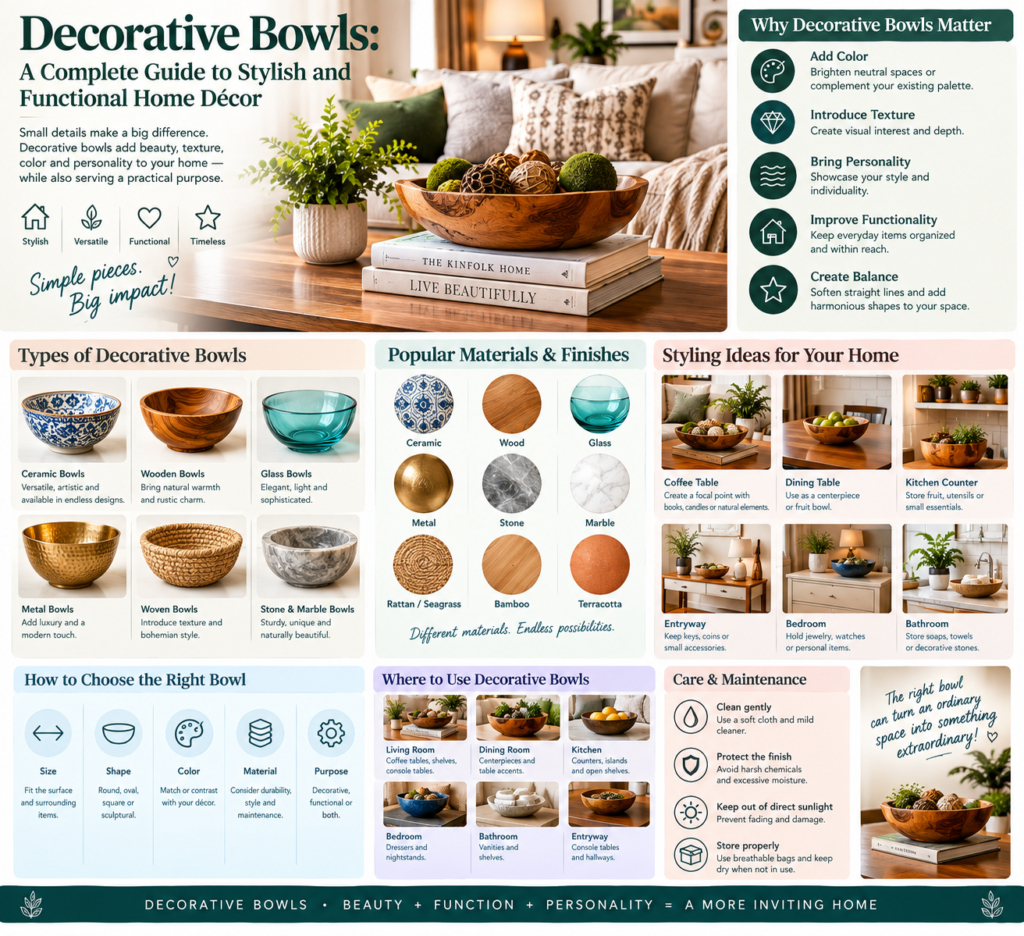
Decorative bowls are simple yet versatile accessories that can add beauty, personality, and functionality to almost any interior space. Although bowls are traditionally associated with serving and storing food, decorative bowls are designed primarily to enhance the appearance of a room. They can be placed on coffee tables, dining tables, shelves, kitchen counters, consoles, bedside tables, entryway furniture, and many other surfaces.
A well-chosen decorative bowl can become an attractive focal point without overwhelming the surrounding décor. It can introduce color, texture, shape, and visual balance while also providing a practical place to keep small everyday items. Keys, jewelry, fruit, decorative stones, potpourri, and other objects can all be placed inside a suitable bowl.
One of the reasons decorative bowls remain popular is their ability to work with many different interior styles. A simple wooden bowl may complement a rustic or Scandinavian home, while a metallic bowl can bring elegance to a contemporary interior. Ceramic bowls can create a traditional or artistic appearance, while glass bowls can provide a light and sophisticated touch.
Decorative bowls are available in countless designs, materials, sizes, and colors. This makes them suitable for homeowners with very different tastes and budgets. Whether used as a centerpiece or as a small accent, a decorative bowl can help make a room feel more complete.
What Are Decorative Bowls?
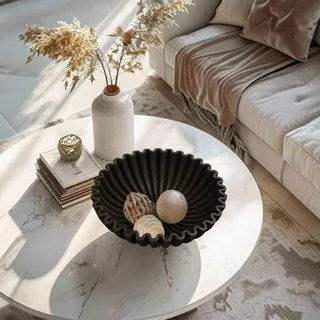
Decorative bowls are bowls created or selected mainly for their visual appeal. Unlike ordinary kitchen bowls that are primarily chosen for cooking or serving, decorative bowls often feature artistic shapes, unusual finishes, attractive patterns, detailed craftsmanship, or distinctive materials.
Some decorative bowls are completely functional and can be used for storage or serving, while others are intended only for display. They may contain textured surfaces, painted designs, carved patterns, metallic finishes, or sculptural shapes.
Their versatility makes them useful in many areas of a home. A bowl placed on an entryway console can hold keys and small accessories. A bowl on a coffee table can contain decorative objects. A large bowl in the center of a dining table can serve as a centerpiece. A small bowl on a bedside table can provide a convenient place for jewelry.
Decorative bowls can therefore combine artistic expression with practical use.
Why Decorative Bowls Are Important in Home Décor
Interior decoration is often influenced by small details. Large furniture pieces establish the basic structure of a room, but accessories provide personality and finishing touches. Decorative bowls are one of the accessories that can help connect different elements of a space.
One important benefit is that bowls can introduce a new shape. Rooms often contain many straight lines created by tables, shelves, cabinets, windows, and furniture. A round or organically shaped bowl can soften these lines and create visual contrast.
Decorative bowls can also introduce texture. A rough ceramic bowl, smooth glass bowl, woven bowl, or hammered metal bowl can create a different sensory effect.
Color is another major advantage. A colorful bowl can become an accent piece in a neutral room, while a neutral bowl can help balance a room with stronger colors.
Because decorative bowls are usually relatively small, they are also easy to move. Homeowners can change their location whenever they want to refresh a room.
Popular Types of Decorative Bowls
There are many types of decorative bowls, each offering a different appearance and purpose.
Ceramic Decorative Bowls
Ceramic bowls are among the most versatile options. They can be glazed, painted, textured, sculpted, or left with a natural finish.
Ceramic bowls work well in traditional, contemporary, farmhouse, Mediterranean, and artistic interiors. Their wide range of designs makes it easy to find something suitable for almost any room.
A handmade ceramic bowl can also provide a sense of individuality because small variations in shape and finish may give it a unique character.
Wooden Decorative Bowls
Wooden bowls bring natural warmth into an interior. They are especially suitable for rustic, farmhouse, Scandinavian, coastal, and minimalist homes.
Different types of wood have different colors and grain patterns. A natural wood bowl can become a subtle centerpiece on a dining or coffee table.
Wooden bowls can also be paired with other natural materials such as linen, stone, rattan, bamboo, and cotton.
Glass Decorative Bowls
Glass bowls create a clean and elegant appearance. Transparent glass can make a surface feel less visually crowded, while colored or textured glass can create a more dramatic effect.
Glass bowls are particularly suitable for modern, contemporary, and sophisticated interiors. They can be filled with decorative stones, floating objects, artificial flowers, or other lightweight accessories.
Because glass can break, however, these bowls should be placed carefully in areas where they are unlikely to be knocked over.
Metal Decorative Bowls
Metal bowls can add sophistication and visual strength. They may be made from materials such as stainless steel, brass, aluminum, or other metals.
Finishes can range from polished and reflective to matte, brushed, hammered, or aged. Gold and brass finishes can create a luxurious appearance, while black or silver metal can suit modern and industrial interiors.
Metal bowls can also work well as statement pieces because their reflective surfaces can interact with room lighting.
Woven Decorative Bowls
Woven bowls made from materials such as rattan, bamboo, rope, or other natural fibers can introduce texture and an organic atmosphere.
They are popular in bohemian, coastal, rustic, and natural-inspired interiors. Woven bowls can hold lightweight decorative items, blankets, accessories, or artificial greenery depending on their size.
Stone and Marble Bowls
Stone and marble bowls have a substantial and luxurious appearance. Their natural patterns make each piece visually distinctive.
A marble bowl can work beautifully on a coffee table, console, or dining table. Neutral stone colors can complement many interior styles, while darker stone can create a dramatic contrast.
Because stone bowls can be heavy, their placement should be considered carefully.
Decorative Bowls for the Living Room
The living room is one of the best places to use decorative bowls. Coffee tables, side tables, shelves, and console tables all provide suitable surfaces.
A decorative bowl on a coffee table can serve as the centerpiece of a simple arrangement. It can be paired with books, candles, a small plant, or a decorative tray.
For a minimalist living room, a single sculptural bowl may be enough. In a more traditional or luxurious room, a larger arrangement containing several coordinated objects may be appropriate.
When placing a bowl on a coffee table, it is important to leave enough space for people to use the table comfortably. A decorative item should enhance the table rather than prevent it from being practical.
Decorative Bowls for the Dining Room
Dining tables are natural locations for decorative bowls. A large bowl can act as a centerpiece and help establish the visual theme of the dining area.
A bowl filled with fresh fruit can combine decoration with practical use. Alternatively, it can contain artificial fruit, decorative stones, flowers, greenery, or other objects.
The size of the bowl should be appropriate for the table. A very small bowl may look lost on a large dining table, while an oversized bowl can interfere with meals and conversation.
For everyday dining, a simple bowl arrangement may be preferable. For special occasions, the bowl can become part of a more elaborate centerpiece.
Decorative Bowls in the Kitchen
Decorative bowls can be both attractive and useful in kitchens. They can hold fruit, utensils, napkins, or other everyday items.
A wooden or ceramic fruit bowl can add warmth to a kitchen counter or island. A large bowl can also serve as a visual focal point in an otherwise functional space.
Open kitchen shelves can also benefit from decorative bowls. A carefully selected bowl can break up the repetitive appearance of plates, cups, jars, and containers.
When using decorative bowls for food, homeowners should ensure that the bowl is made from a material and finish suitable for food contact.
Decorative Bowls in the Bedroom
Although bowls are not always associated with bedrooms, small decorative bowls can be useful on bedside tables, dressers, and vanities.
A small bowl can provide a convenient place to keep jewelry, watches, hair accessories, or other small personal belongings.
A ceramic, glass, or wooden bowl can also add a decorative touch without taking up much space.
For bedrooms, softer colors and natural materials can help create a peaceful atmosphere.
Decorative Bowls in the Entryway
The entryway is another excellent location for a decorative bowl. A bowl placed on a console table can provide an attractive and practical place to keep keys, coins, sunglasses, or other small items.
This simple storage solution can help prevent clutter from spreading throughout the home.
The entryway is also one of the first areas guests see, so a beautiful decorative bowl can create a welcoming first impression.
A bowl can be combined with a mirror, lamp, framed artwork, plant, or small sculpture to create a complete entryway display.
Decorative Bowls in the Bathroom
Small decorative bowls can also be used in bathrooms. They can hold soaps, bath accessories, decorative stones, or rolled washcloths.
However, moisture should be considered when choosing materials. Some materials may be more suitable for humid environments than others.
A small stone, ceramic, or glass bowl can add an elegant touch to a bathroom vanity.
Choosing the Right Size
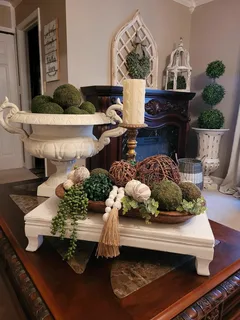
The size of a decorative bowl is one of the most important factors to consider. The bowl should be proportional to the furniture and surrounding accessories.
A large dining table may require a larger centerpiece, while a small side table may look better with a compact bowl.
The height of the bowl also matters. A very tall decorative bowl may obstruct views across a dining table or interfere with other objects.
When styling a surface, it is useful to combine different heights. A low bowl can be paired with a taller vase or plant to create visual balance.
Choosing the Right Shape
Although round bowls are traditional, decorative bowls can come in many different shapes.
Oval bowls can provide a longer visual line on a dining or console table. Square or rectangular bowls can complement modern furniture with strong geometric forms.
Irregular or organic shapes can create an artistic effect. Sculptural bowls may be designed more like pieces of artwork than conventional containers.
The shape should complement the furniture and overall design of the room.
Using Decorative Bowls as Centerpieces
A decorative bowl can become the main focal point of a table when styled correctly.
One simple approach is to place the bowl in the center and keep the surrounding area relatively clear. This allows the bowl to attract attention.
Another option is to create a layered centerpiece. The bowl can be placed on a decorative tray alongside candles, books, flowers, or small sculptures.
For a formal dining table, the bowl can be surrounded by greenery or other decorative elements. For a casual coffee table, a simple bowl filled with a few attractive objects may be enough.
What to Put Inside Decorative Bowls
Decorative bowls can be left empty, but filling them can add another dimension to their appearance.
Fresh Fruit
Fresh fruit is one of the most practical choices. Apples, oranges, lemons, bananas, and other fruits can introduce natural color.
Artificial Fruit
Artificial fruit can provide a similar visual effect without requiring regular replacement. High-quality artificial pieces can be useful for decorative displays.
Decorative Stones
Smooth stones, crystals, pebbles, or glass stones can create a simple and natural display.
Flowers
A wide bowl can sometimes hold flowers or greenery, depending on its design. Artificial arrangements may be more practical for long-term displays.
Potpourri
Potpourri can provide both visual appeal and fragrance. It can be particularly effective in living rooms, bedrooms, and entryways.
Small Decorative Objects
Small ornaments, wooden beads, balls, shells, or other decorative pieces can be placed inside larger bowls.
The contents should always complement the bowl rather than compete with it.
Color Selection for Decorative Bowls
Color should be chosen according to the existing interior palette.
Neutral bowls in white, beige, cream, gray, brown, or black are versatile and can work with many designs.
Bright colors can be used when a room needs an accent. A blue, green, yellow, red, or orange bowl can become a statement piece.
Metallic finishes can create elegance. Gold, brass, bronze, and silver can be particularly effective when used sparingly.
Natural wood and stone colors can help create a relaxed atmosphere.
Mixing Materials and Textures
A decorative bowl can become more visually interesting when combined with other textures.
A wooden bowl can be placed beside a ceramic vase. A glass bowl can be combined with metal candle holders. A stone bowl can sit on a woven tray.
Mixing materials prevents a room from looking too uniform and creates visual depth.
However, too many unrelated materials can create visual confusion. The goal is to create a balanced combination.
Decorative Bowls and Interior Design Styles
Different bowls suit different interior styles.
Minimalist Interiors
Minimalist homes often benefit from simple bowls with clean shapes and neutral colors. One carefully selected bowl may be more effective than several small decorative objects.
Rustic Interiors
Rustic interiors can use wooden, stone, ceramic, or woven bowls. Natural textures and earthy colors work especially well.
Modern Interiors
Modern spaces can accommodate geometric, metallic, glass, or sculptural bowls. Simple forms and strong contrasts can create a contemporary appearance.
Bohemian Interiors
Bohemian spaces can use colorful ceramic bowls, woven designs, handmade pieces, and bowls with artistic patterns.
Luxury Interiors
Luxury interiors may benefit from marble, glass, polished metal, or richly finished ceramic bowls. The bowl can be used as a statement accessory.
Scandinavian Interiors
Scandinavian décor typically works well with simple wooden, ceramic, or neutral-colored bowls. Natural textures and understated forms help maintain a calm appearance.
Decorative Bowls and Personal Expression
Home décor should reflect the personality of the people who live in the home. Decorative bowls can contribute to this personal expression.
A handmade bowl may represent an appreciation for craftsmanship. A colorful ceramic bowl may reflect an artistic personality. A travel-inspired bowl may remind the homeowner of a memorable destination.
Collecting bowls from different artists, cultures, or materials can also create an interesting display.
The most meaningful decorative accessories are often those that have a story behind them.
Using Decorative Bowls in Small Spaces
Decorative bowls can be especially useful in small homes because they provide decoration without requiring much space.
A small bowl can sit on a narrow console, bedside table, shelf, or kitchen counter. It can provide both storage and visual interest.
In compact spaces, it is important to avoid choosing accessories that are too large. The bowl should complement the available surface without making the area feel crowded.
A multifunctional bowl that stores everyday objects can be particularly useful in small homes.
Decorative Bowls as Affordable Décor
One advantage of decorative bowls is that they can provide a noticeable change without requiring a large investment.
Affordable ceramic, wooden, glass, and woven bowls can still look attractive when chosen carefully.
Instead of purchasing many accessories, homeowners can select one or two distinctive bowls and use them as focal points.
Second-hand shops, craft markets, local artisans, and home décor stores can also provide a wide range of options.
Handmade Decorative Bowls
Handmade bowls can bring individuality and craftsmanship into a home. Because they are created by hand, they may contain subtle differences in shape, texture, and color.
These imperfections can actually make them more attractive because they demonstrate that the piece is unique.
Handmade ceramic and wooden bowls can be particularly effective in homes that value natural materials and artisanal design.
Caring for Decorative Bowls
Proper care depends on the material.
Ceramic bowls can generally be wiped with a soft cloth and mild cleaner. Glass bowls should be cleaned regularly to remove fingerprints and dust.
Wooden bowls should be kept away from excessive moisture unless they have been specifically designed for wet environments. Appropriate wood care products can help maintain their appearance.
Metal bowls may need cleaning methods appropriate to their finish. Harsh chemicals can damage certain surfaces.
Stone and marble bowls should also be cleaned carefully to avoid damaging their natural finish.
Always follow the manufacturer’s care recommendations when available.
Common Mistakes to Avoid
One common mistake is choosing a bowl that is too large for the surface. Proportion is important in interior decoration.
Another mistake is filling the bowl with too many objects. An overcrowded bowl can look messy rather than decorative.
It is also possible to use too many decorative bowls in one room. If every surface contains a bowl, the accessories may lose their visual impact.
Another issue is placing fragile bowls in high-traffic areas where they can easily be knocked over.
Finally, homeowners should avoid choosing bowls without considering the existing décor. A beautiful bowl may still look out of place if its color, material, or style conflicts with the room.
How to Create a Stylish Bowl Arrangement
Creating a stylish arrangement does not require professional interior design skills. Start by selecting the main bowl. Then consider the surrounding objects.
A large bowl can be paired with a small plant and a stack of books. A medium bowl can be placed on a tray with a candle and a decorative object.
Keep some empty space around the arrangement. This allows the individual pieces to stand out.
Use different heights and textures to create depth. Repeat one or two colors from the surrounding room to establish visual harmony.
The arrangement should feel intentional but not overly complicated.
Seasonal Decorating With Bowls
Decorative bowls can easily be adapted for different seasons and celebrations.
During spring, a bowl can contain artificial flowers, pastel-colored decorations, or fresh fruit.
In summer, shells, natural stones, bright colors, or tropical-inspired accessories can create a seasonal atmosphere.
Autumn décor can include pinecones, dried leaves, acorns, and earthy colors.
During the holiday season, bowls can hold ornaments, decorative pinecones, greenery, or festive objects.
This flexibility allows homeowners to update their décor without buying completely new furniture.
Decorative Bowls as Gifts
Decorative bowls can also make thoughtful gifts. They are suitable for birthdays, housewarming celebrations, weddings, anniversaries, and other occasions.
A bowl can be selected according to the recipient’s interior style or personal interests.
Handmade bowls are particularly attractive as gifts because they can feel unique and personal.
A decorative bowl can also be paired with another home accessory to create a complete gift set.
The Growing Popularity of Natural Materials
Natural materials continue to play an important role in interior decoration. Wooden, woven, stone, ceramic, and other natural-looking bowls can help create a connection with nature.
Natural materials often bring warmth and texture into spaces that might otherwise feel too artificial or sterile.
This is especially useful in modern homes that use neutral colors and simple furniture.
Decorative Bowls and Sustainable Décor
Homeowners who are interested in sustainable decoration may prefer bowls made from responsibly sourced wood, recycled materials, natural fibers, or locally produced ceramics.
Choosing durable products that can be used for many years can also reduce unnecessary consumption.
Instead of purchasing accessories simply because they are trendy, homeowners can select timeless bowls that can work with different décor styles over time.
The Future of Decorative Bowls
As interior design continues to evolve, decorative bowls are likely to remain popular because of their versatility.
Modern designs increasingly combine artistic forms with practical functionality. Some bowls are designed as sculptural objects, while others incorporate unusual materials, textures, and handcrafted finishes.
Customization is also becoming more attractive. Homeowners may increasingly seek unique pieces that reflect their individual tastes rather than mass-produced accessories.
The continuing interest in natural materials and handmade products is also likely to influence decorative bowl design.
Conclusion
Decorative bowls are small but powerful elements of home décor. They can add color, texture, shape, personality, and functionality to almost any room. From living rooms and dining areas to bedrooms, kitchens, bathrooms, and entryways, bowls can be used in countless creative ways.
The wide variety of available materials makes it easy to find a style that suits a particular interior. Wooden bowls provide warmth, ceramic bowls offer artistic versatility, glass bowls create elegance, metal bowls introduce sophistication, and woven bowls add natural texture.
Decorative bowls can also be practical. They can hold fruit, keys, jewelry, stones, flowers, potpourri, and many other items. This combination of beauty and usefulness makes them valuable home accessories.
When choosing a decorative bowl, homeowners should consider size, shape, material, color, purpose, and placement. A successful arrangement should complement the surrounding décor without creating unnecessary clutter.
Ultimately, decorative bowls prove that effective home decoration often comes from simple details. A thoughtfully selected bowl can transform an ordinary table, shelf, or console into an attractive display. Whether the goal is to create a modern, rustic, luxurious, minimalist, or personal interior, decorative bowls provide an easy and flexible way to make a home more beautiful, organized, and inviting.
For more info check out our main website here http://ezhomeaura.com